
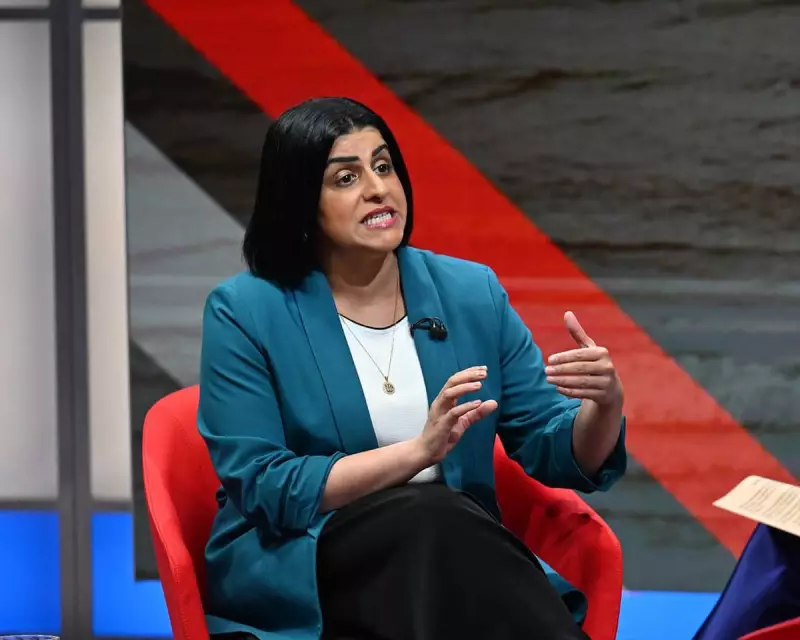
Home Secretary Shabana Mahmood has declared Britain's asylum system 'out of control' while unveiling the most significant immigration reforms in modern times. The sweeping changes will fundamentally alter how refugees are treated in the United Kingdom, including potentially requiring those already settled to return home if their countries become safe.
End of Permanent Sanctuary
In a dramatic shift from current practice, refugees will no longer receive permanent settlement rights. Instead, they'll need to reapply for permission to remain every two and a half years. This replaces the existing system where refugees receive five years of protection before being able to apply for indefinite leave to remain.
Mahmood told the BBC's Sunday with Laura Kuenssberg programme that the reforms would change 'that generations-old assumption that sanctuary provided to refugees can very quickly lead to permanent settlement and all of the rights that go alongside that.'
Controversial Danish Model Adopted
The new approach mirrors Denmark's controversial system, where refugees can be returned when their home countries are deemed safe. This policy applies even to those who have established lives with homes and families in the UK.
Remarkably, the changes extend to Ukrainians who arrived under bespoke schemes, though Mahmood emphasised the government would honour its obligations. 'It is the wish of most of those Ukrainian individuals that one day they will return to Ukraine once the conflict is over,' she noted.
For those arriving illegally, the reforms introduce a 20-year wait before applying for permanent settlement, though this is expected to apply only to new arrivals.
Work Requirements and Accommodation Changes
The Home Secretary revealed concerning statistics about the current system. Approximately 100,000 people receive asylum support in the UK, with about a third remaining in hotels - a practice Labour has pledged to end by 2029.
Mahmood highlighted what she called unfair advantages within the system, noting that asylum seekers have more protection regarding accommodation than British citizens in social housing. 'There's also no expectation that if you break the law of this country, you lose your accommodation,' she stated.
The reforms will make housing and financial support discretionary rather than guaranteed. Currently, only about 8,500 people in asylum accommodation have the right to work, but those who can work will now be expected to do so.
In a separate development, the Home Office announced it will use AI facial age-estimation technology to assess migrants' ages, claiming it's more accurate than current methods despite concerns from migrants' rights groups.
Defending the comprehensive reforms, Mahmood described them as a 'moral mission' to restore fairness and control to a system she believes is 'tearing our country apart.'




