
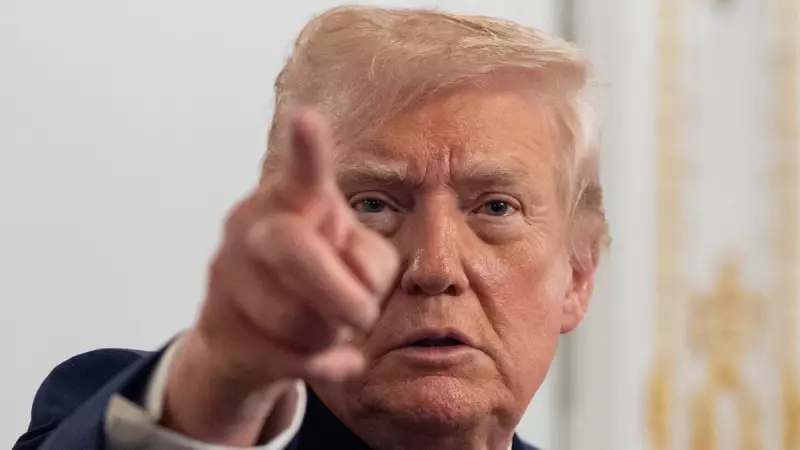
Trump's Migration Pledge Following DC Attack
Former President Donald Trump has declared he will implement a permanent pause on migration from all third world countries, following a shooting incident in Washington DC that left two National Guard members injured. The announcement came just one day after the attack near the White House, which authorities believe was carried out by an Afghan national.
In a social media statement, Trump outlined his administration's intention to end all federal benefits and subsidies to noncitizens and remove anyone who cannot demonstrate they are a net asset to the United States. However, the practical implementation of such measures remains uncertain, given that previous immigration restrictions proposed by Trump faced significant legal challenges during his presidency.
Details of the DC Shooting
The President confirmed the death of Sarah Beckstrom, one of the two National Guard members shot in Wednesday's attack. Authorities suspect the shooting was perpetrated by Rahmanullah Lakanwal, an Afghan national who entered the United States in September 2021 during the chaotic withdrawal from Afghanistan. According to Reuters, Lakanwal was granted asylum in April this year under the Trump administration.
The second guard member, Andrew Wolfe, aged 24, remains in critical condition fighting for his life. Trump's statement did not clarify which specific countries would be affected by his proposed migration pause, nor did he provide a detailed definition of what he meant by third world countries.
Regulatory Scrutiny on Bankers' Epstein Links
In separate developments, US regulators have confirmed they are treating allegations about major banks potentially facilitating Jeffrey Epstein's criminal activities with serious concern. Officials from both the Office of the Comptroller of the Currency and the Federal Deposit Insurance Corporation have reviewed a letter from Democratic Senator Elizabeth Warren raising concerns about bankers' alleged support for the convicted sex offender.
Warren specifically highlighted former Barclays boss Jes Staley, alleging that he protected Epstein's access to the banking system during his tenure at JP Morgan in the early 2000s. Regulatory correspondence seen by the Guardian indicates that both agencies are examining these claims carefully.
Hong Kong Fire Tragedy
The death toll from Wednesday's apartment complex fire in Hong Kong has risen dramatically to 128 confirmed fatalities, with approximately 200 people still missing. Rescue operations have now concluded at the Wang Fuk Court complex in Tai Po, where the inferno spread rapidly through seven of eight towers in one of the city's deadliest blazes on record.
Fire officials confirmed that the fire began during building renovations, with highly flammable styrofoam material found in elevator windows contributing to the fire's intensity. The complex housed more than 4,600 residents before the tragedy struck.
Although the fire has been extinguished, officials note that some areas remain dangerously hot, with temperatures exceeding 200°C (392°F), preventing immediate entry. The process of evidence collection is expected to take three to four weeks to complete.
Other Significant Developments
In the Middle East, a Palestinian-American teenager has been released after spending nine months in an Israeli jail. The 16-year-old was taken from his home in the West Bank during a night raid when he was just 15 years old. Relatives reported that the youth was severely underweight and suffering from scabies contracted during his detention.
Meanwhile, Canada's culture minister has resigned from cabinet over Mark Carney's controversial oil pipeline deal, citing inadequate consultation with Indigenous nations and warning of significant environmental impacts.
Amnesty International has accused Israel of continuing genocide against Palestinians in Gaza despite last month's ceasefire, pointing to restrictions on essential supplies and services. In South America, Venezuela has banned six international airlines, accusing them of state terrorism as tensions with the United States escalate.
Social Media Polarization Study
New research reveals concerning findings about social media's impact on political discourse. A study examining X (formerly Twitter) found that consuming political content on the platform for just one week increases polarization by an amount that historically took three years to develop.
The experiment measured how Elon Musk's platform drives division, discovering that when posts expressing anti-democratic attitudes and partisan animosity receive slight algorithmic boosts, both Democrats and Republicans experience significant increases in unfavourable feelings toward the opposing party.




