
Trucking Schools Grapple with Enrollment Plunge Amid Immigration Crackdown
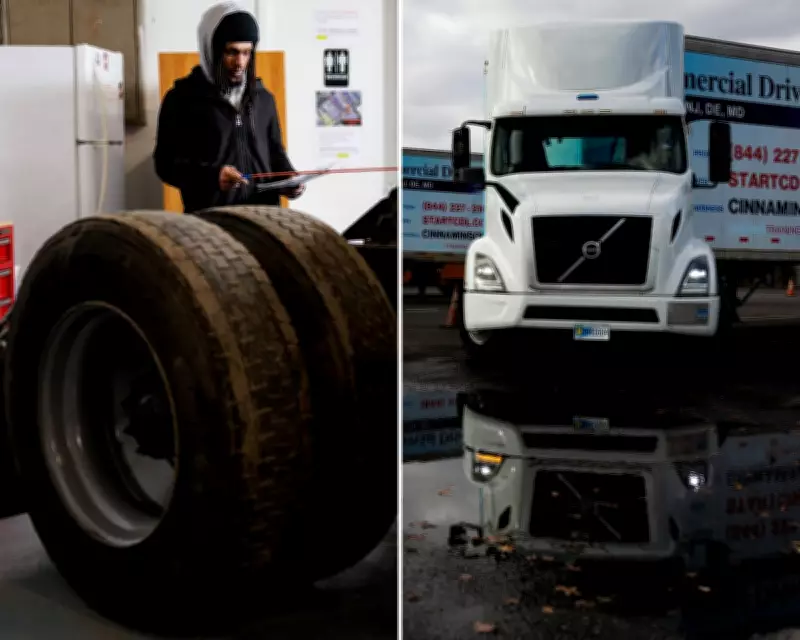
Vasyl Kushnir and Gene Moik, co-founders of Start CDL trucking school in Cinnaminson, New Jersey, greet students with smiles, but behind their cheerful demeanor lies a deepening fear. Their business, established nearly a decade ago, is teetering on the brink of closure due to a sharp decline in student numbers. This crisis stems from new regulations imposed by the second Trump administration, which have tightened requirements for immigrant drivers seeking commercial licenses.
Drastic Drop in Student Enrollments
Kushnir, a 36-year-old immigrant from Ukraine, reveals that their school had nearly 100 students in January 2025, but by late that year, enrollment had plummeted to just 28. "We haven't increased prices, but companies call daily asking for drivers, and often we have to say no," he explains. In November and December 2024, the warehouse buzzed with almost 100 students monthly; a year later, that figure dropped to between 25 and 30. Kushnir warns that without a turnaround, they may be forced to shut down entirely.
Previously, immigrants with work authorization often pursued truck driving as a stable career path, undergoing at least a month of training at schools like Start CDL. However, the transportation department's new rules now restrict commercial driver's licenses (CDLs) to U.S. citizens or permanent green card holders, creating widespread confusion. The school has seen a near-total halt in inquiries from refugees, asylum seekers, and Dreamers (DACA recipients).
English Proficiency Requirements Add to the Strain
In May 2025, the transportation department mandated that drivers demonstrate sufficient English skills to read road signs and communicate with law enforcement. Kushnir and Moik had offered English lessons to prepare students for exams, but economic pressures forced them to lay off their tutor. An estimated 9,500 drivers have been removed from roads for failing these proficiency tests, according to U.S. Transportation Secretary Sean Duffy, citing guidance from the Federal Motor Carrier Safety Administration (FMCSA).
Moik, a 54-year-old immigrant from Belarus, shares that former students have abandoned trucking out of fear of being pulled over and failing the English test. "Losing nearly half our students while maintaining operational costs created a huge revenue gap. We had to cut staff, and now our American dream of entrepreneurship is fading," he laments. He emphasizes that overnight policy changes are harming the entire industry, with other schools reporting similar struggles.
Accreditation Revocations Worsen the Crisis
The transportation department has also revoked accreditations for 7,000 training providers nationwide, accusing them of falsifying data, neglecting curriculum standards, and failing to maintain records. While causing uproar in immigrant communities, these policies have garnered support from some industry figures. Andrew Poliakoff, executive director of the Commercial Vehicle Training Association, praises Derek Barrs, the Trump-appointed FMCSA administrator, for raising standards and removing unsafe "CDL mills." He notes that none of his association's 100 schools have been decertified.
Start CDL is part of the New Jersey Driving School Council, whose founder, Alissia Alfaro, reports that while no members have lost accreditation, many are downsizing. Her own school, Ideal Driving School, has seen a 40% drop in CDL classes due to stricter immigration and language rules.
State-Level Conflicts and Personal Stories
The transportation department has targeted states like North Carolina, threatening to withhold $50 million in federal funding over alleged lax standards in issuing licenses to foreign drivers. Duffy condemns such practices as dangerous, calling for immediate action to revoke improperly issued CDLs, with similar threats made against New York, Pennsylvania, and California.
Amid the turmoil, students like Justin Taylor, a 24-year-old from Willingboro, New Jersey, continue training at Start CDL. He observes non-native English speakers diligently memorizing truck parts, questioning why he can't achieve the same. "I want stable, well-paying work, and the precautions here are well-taught," he says.
Nearby, Juan Carlos Castañeda, a 37-year-old green card holder from Mexico, switches between English and Spanish as he describes his shift from landscaping to trucking for better pay. Despite the restrictions, he remains unafraid, having studied English for four years. In contrast, Karina Krainova, a Ukrainian trucker in South Carolina, had her license revoked early and chose to return to Ukraine, fearing Trump's anti-immigration agenda more than the ongoing conflict there.
As Kushnir and Moik mull their business's future, the trucking industry faces an uncertain path, with new rules reshaping livelihoods and dreams across America.




