
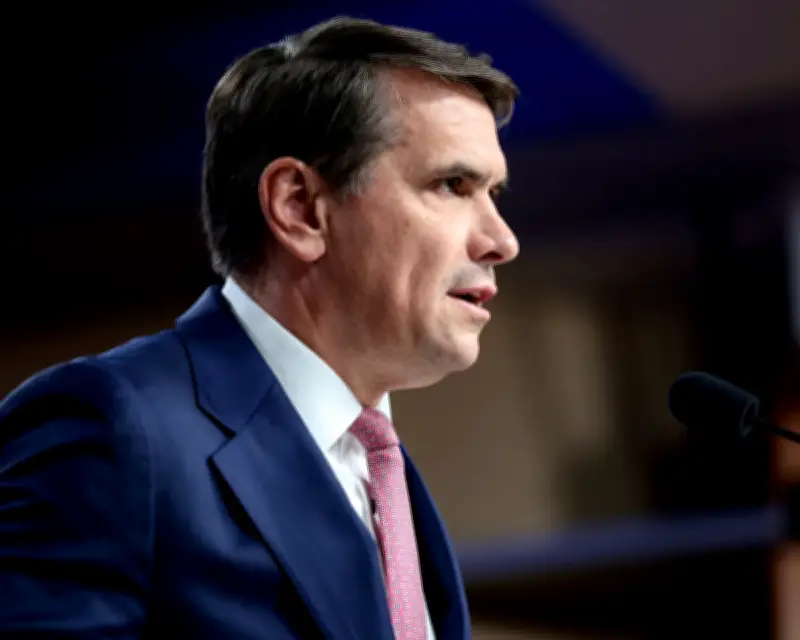
Senators face a critical test of their commitment to the rule of law as Todd Blanche, President Donald Trump's former personal attorney, undergoes confirmation hearings for attorney general. Blanche, described as the most conflicted nominee for the post, has a vast slate of conflicts stemming from his role as Trump's private lawyer since 2023, when he left Cadwalader, Wickersham & Taft to represent Trump in the Manhattan hush-money prosecution. He also represented Trump in the Mar-a-Lago classified documents case and the January 6 prosecution, both brought by special counsel Jack Smith.
Blanche's Actions as Deputy Attorney General
As deputy attorney general and acting head of the Justice Department since April, when Pam Bondi was fired, Blanche has continued advocacy for Trump. He signed off on an IRS settlement banning litigation against Trump, his family, or businesses forever, which a federal judge ruled as self-dealing and referred to the Florida Bar Association. The New York Bar issued a letter deeming Blanche unfit for office. Blanche also pursued an 'anti-weaponization' fund to compensate individuals allegedly unfairly investigated, potentially including January 6 defendants or Trump himself. According to Bondi, Blanche oversaw redactions of Epstein material that inadvertently revealed victim names while protecting Trump and others. He shut down a Justice Department unit investigating crypto fraud and supported vindictive prosecutions against Kilmar Ábrego Garcia, former CIA director John Brennan, and former FBI director James Comey.
Conflicts of Interest and Recusal Concerns
Blanche's conflicts from his role as Trump's private attorney are particularly consequential. Claire Finkelstein, a University of Pennsylvania law professor, argues that any private attorney for the president should be disqualified for cause from serving as chief law-enforcement officer. During a 2024 confirmation hearing for deputy attorney general, Senator Adam Schiff questioned Blanche about conflicts. Blanche acknowledged oversight of a 'weaponization' working group could be a conflict but refused to call it 'blatant' and rejected committing to recuse from matters involving Trump's interests where he served as Trump's attorney. Blanche said he would follow career ethics attorneys' advice, but Schiff noted Blanche could influence those attorneys.
Historical Precedents and Senate Duty
Finkelstein cites former attorneys general John Ashcroft and Bill Barr as examples of ideological misuse of the Justice Department, but notes neither had Blanche's personal conflicts. Barr eventually showed independence by refusing to support Trump's 2020 election fraud claims, leading to his resignation. Personal conflicts, Finkelstein argues, should be automatically disqualifying. No judiciary committee member should vote for Blanche without assurance he would recuse from matters implicating Trump's personal interests. However, Trump has made his personal interests a department policy focus, and recusal could incur Trump's ire, as seen with Jeff Sessions' recusal from the Russia investigation. If Blanche recused from all conflicted matters, he would be dysfunctional as attorney general.
Historically, nominees like Zoe Baird and Matt Gaetz failed confirmation due to bipartisan opposition over legal compliance and misconduct. Finkelstein urges the Senate to reject Blanche for cause unless hearings paint a different picture. 'The Senate must strike a blow for the rule of law,' she writes.




