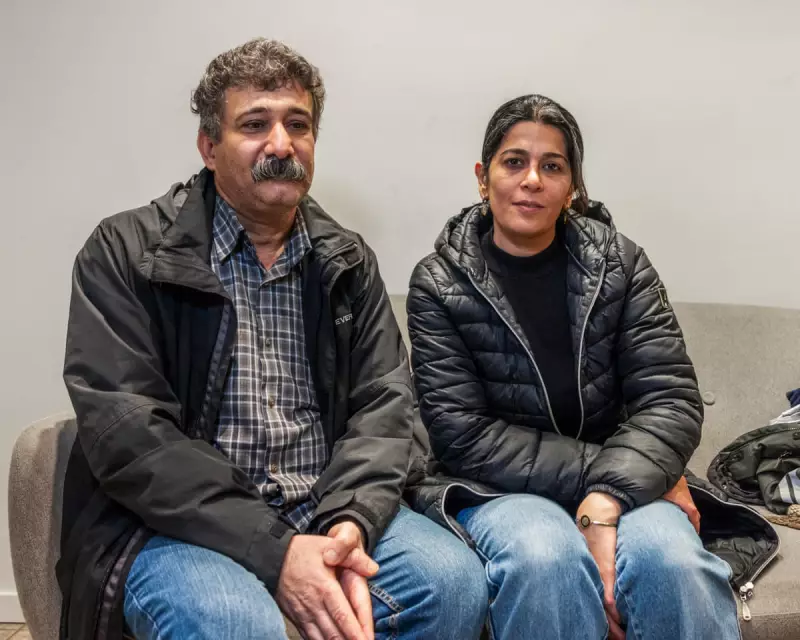
Thamer and Faten, originally from Iraq, are confronting the harsh reality of deportation from Sweden, despite their third child being born in the country. Their story is emblematic of a broader crisis affecting many families caught in Sweden's increasingly stringent immigration crackdown.
A Life in Limbo: The Human Cost of Policy Shifts
Sofiye, who arrived from Uzbekistan in 2008, built a life in Sweden over many years. She worked for a municipality, learned the language, and saw her children thrive in the Swedish school system. Her youngest son is a Swedish native, and her 18-year-old son, Hamza, knows no other home. However, after multiple failed asylum applications, she lost her right to work and now resides in an asylum return centre near Stockholm's Arlanda airport, living under the constant threat of deportation.
The stress has taken a severe toll on Sofiye's health, causing insomnia, loss of appetite, and frequent vomiting. She describes her mental state as overwhelmed, struggling to communicate with her children due to the anxiety occupying her thoughts. This centre is part of a network aimed at housing thousands of asylum seekers, reflecting Sweden's shift towards a more restrictive immigration stance.
Policy Changes and Their Impact
The centre-right government, supported by the far-right Sweden Democrats, has implemented several measures to reduce asylum numbers. These include placing asylum seekers in reception centres instead of individual accommodations, offering "repatriation grants" for voluntary departure, and tightening citizenship and family reunification rules. Applicants must now provide more documentation and prove identity through in-person visits.
Additionally, committing a crime can lead to deportation for non-citizens, with 440 people subjected to criminal deportations in 2025. The government's message is clear: "If you do not want to become part of this community, you should not come to Sweden." This marks a stark departure from Sweden's past policies, such as former Prime Minister Fredrik Reinfeldt's 2014 call to "open your hearts" to newcomers.
Widespread Consequences and Emotional Toll
Nannie Sköld, a counsellor at Stockholm Stadsmission's Who Am I Tomorrow? project, notes that many affected individuals feel betrayed, having come to Sweden believing in its human rights reputation. Government data shows 8,312 people returned to their home countries in 2025, the highest in a decade, while asylum seekers decreased by 30%.
A particularly damaging change is the abolition of "track changes," which prevents rejected asylum applicants from applying for residence permits, even if they have worked in Sweden. This rule, enacted last April, puts an estimated 4,700 well-integrated individuals at risk of deportation. Sköld highlights the despair among those who feel their efforts to integrate are never enough.
Life in Return Centres and Ongoing Struggles
Life in return centres like the one near Arlanda is challenging. Although it is an "open" centre, logistical difficulties and financial constraints make daily life a struggle. Children and vulnerable groups, such as LGBTQ asylum seekers, often find these environments unsafe, leading to widespread mental health issues. Fear and anxiety are pervasive, with many living in constant dread of imminent deportation.
Thamer and Faten's case illustrates this plight. They came to Sweden on work visas with their two sons, and their third son was born there in 2021. After their asylum applications were denied and visas expired, they face deportation back to Iraq, where Thamer fears criminal organisations threaten their children. Despite his fluency in Swedish and willingness to work, he feels his contributions are overlooked.
The Swedish migration agency states it ensures centres are safe, particularly for children and vulnerable groups, but declines to comment on individual cases. As Sweden's political landscape hardens, with even opposition parties adopting similar policies, families like these remain trapped in a system that prioritises numbers over human lives.