Congressman Sounds Alarm Over Sick Toddler in Texas Detention Center
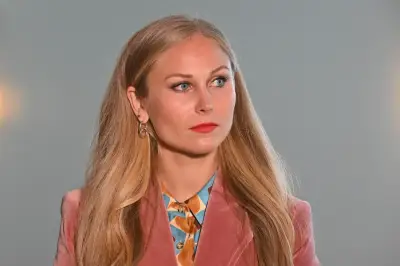
Democratic Congressman Joaquin Castro from San Antonio has issued a stark warning about the welfare of a two-year-old boy detained at the Dilley, Texas, family detention center. The child, identified as Kaleth, is reportedly suffering from a fever and refusing to eat the food provided at the facility, which detainees have complained contains mold and worms. Castro emphasized that when Kaleth's mother sought assistance, staff dismissed the concerns as "mental," a response he labeled as shameful and unacceptable.
Criticism Mounts Over Conditions at Dilley Facility
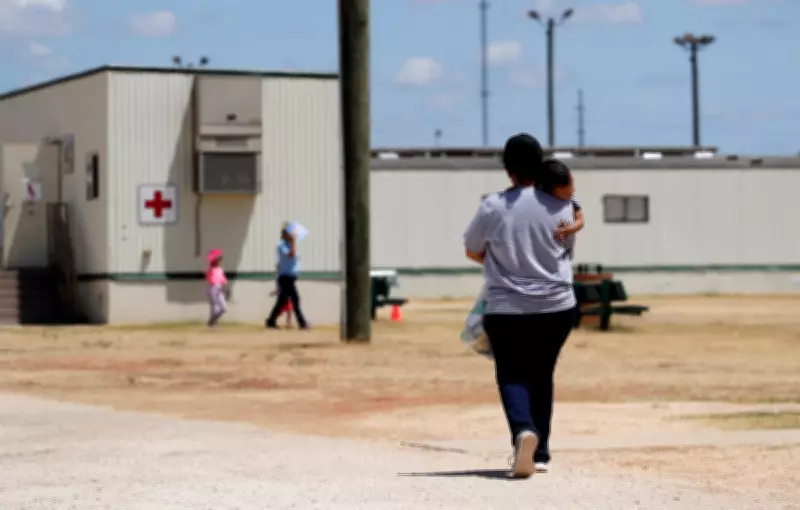
The Dilley detention center, formally known as the South Texas Family Residential Center, has faced ongoing criticism for failing to provide adequate care and nutrition to families. In February, the facility reported two cases of measles, highlighting health risks. It is the same location where a five-year-old asylum seeker, Liam Conejo Ramos, and his father were held for a week after being detained in Minneapolis. Castro has long advocated for the immediate shutdown of the center, arguing that the immigration policies under the Trump administration are inhumane.
In a social media post, Castro underscored his demand, stating, "A vulnerable child at the Dilley trailer prison was suffering and ICE denied their reality and their needs. It's shameful and must stop." He has called for Immigration and Customs Enforcement (ICE) to provide proper medical care to Kaleth and release him and his mother, Joani, without delay.

CoreCivic's Role and Response
The facility is operated by CoreCivic, a private corrections and detention company, on behalf of ICE. CoreCivic anticipates generating approximately $180 million annually in revenue from the property through at least March 2030. Brian Todd, CoreCivic's manager of public affairs, responded to allegations in February, asserting that claims about lack of clean drinking water were false and that healthcare is accessible to all detainees. "The health and safety of those entrusted to our care is the top priority for CoreCivic," Todd stated.
Reports of Harsh Conditions and Legal Scrutiny
Families detained at Dilley have reported severe issues, including shortages of clean drinking water, chronic sleep deprivation, and children struggling to obtain hygiene supplies and timely medical attention. A court filing from September 15 provided detailed and disturbing accounts of the conditions, describing a "prison-like environment" where guards refer to detainees as "inmates" despite their non-criminal status, and families live in "cell-like trailers."
Castro has been actively working to secure the release of multiple immigrants from Dilley. In a recent video, he condemned the broader system, saying, "As a country we have made the decision to commodify child suffering. We have allowed investors to profit from the imprisonment of innocent children. Some are as young as two months old. We must shut down the Dilley trailer prison and #FreeOurChildren."
This situation continues to draw attention to the treatment of migrant families in U.S. detention centers, with advocates pushing for policy changes and improved oversight.