
Police Ethnicity Revelations 'Fuelling Prejudice and Misinformation'
More than fifty racial justice organisations have launched a fierce attack on police forces in England and Wales for routinely disclosing the ethnicity and nationality of suspects in high-profile crimes. The coalition, led by the Runnymede Trust, claims the practice is having a "devastating effect" on communities and actively spreading prejudice.
In a strongly-worded letter sent to the Home Secretary and police chiefs on Friday, the groups demanded the immediate scrapping of guidance introduced in August that encourages forces to release such details. Their research reveals alarming consequences since the policy change took effect.
Five-Fold Increase in 'Asylum Seeker' Crime References
The campaigners' analysis shows that since the new guidelines were implemented, the term "asylum seeker" has appeared in articles about serious crime five times more frequently than before the policy alteration. This dramatic increase demonstrates how the policy is distorting public perception, they argue.
"The public is being given a harmful impression that falsely links criminality with ethnicity or migration status," the letter states. "This in turn is helping to further tear at society's fabric by feeding prejudice."
The guidance was originally developed by the College of Policing and the National Police Chiefs' Council as a response to far-right misinformation. The move followed incidents where social media accounts falsely claimed perpetrators of serious crimes were asylum seekers, leading to accusations of "two-tier policing" when police corrected the record.
Recent Cases Highlight Concerns
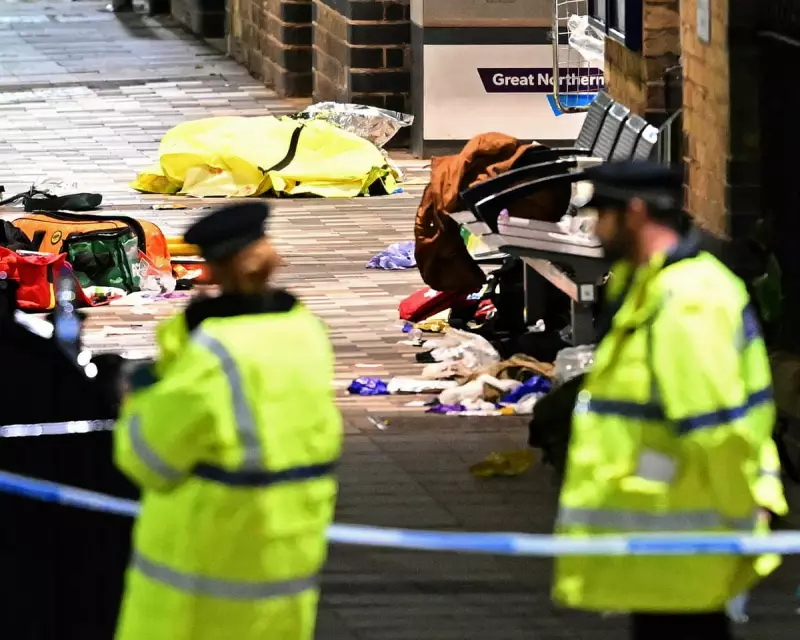
The controversy came into sharp focus recently when British Transport Police chose to publicise that two suspects arrested following a mass stabbing on a train were black. One suspect was subsequently charged while the other was released without charge, yet racial details dominated coverage for hours.
Shabna Begum, director of the Runnymede Trust, questioned why more relevant details weren't prioritised. "Why was the number of weapons used not put out by the police, which is directly relevant to the crime, more so than the ethnicity and race of the suspects," she asked.
A BTP spokesperson defended their approach, stating that weapon details were released later and that they disclosed ethnicity "in the interests of transparency and to alleviate the spread of damaging misinformation and speculation."
The campaigners' letter powerfully argues that "increasingly, a suspect's ethnicity or country of origin appears to be treated as more important than the crime itself, or the experiences of victims." They maintain this fosters "a dangerous and misleading conflation between race, migration and criminality."
Among the prominent organisations backing the call for change are Amnesty International UK, the Muslim Council of Britain, Liberty, Jewish Women's Aid, and the Immigration Law Practitioners' Association.
The College of Policing responded that police are operating in "a challenging environment where there is now a requirement for the release of accurate, timely information to prevent a vacuum and the spread of mis- and disinformation." Their guidance permits releasing nationality or ethnicity details in high-profile cases where there's a policing purpose, such as rising community tension.
As the debate intensifies, campaigners insist that reverting to crime reporting that emphasises race and migration status represents a dangerous step backwards, reviving approaches reminiscent of the 1970s and 1980s that they believed Britain had moved beyond.




