
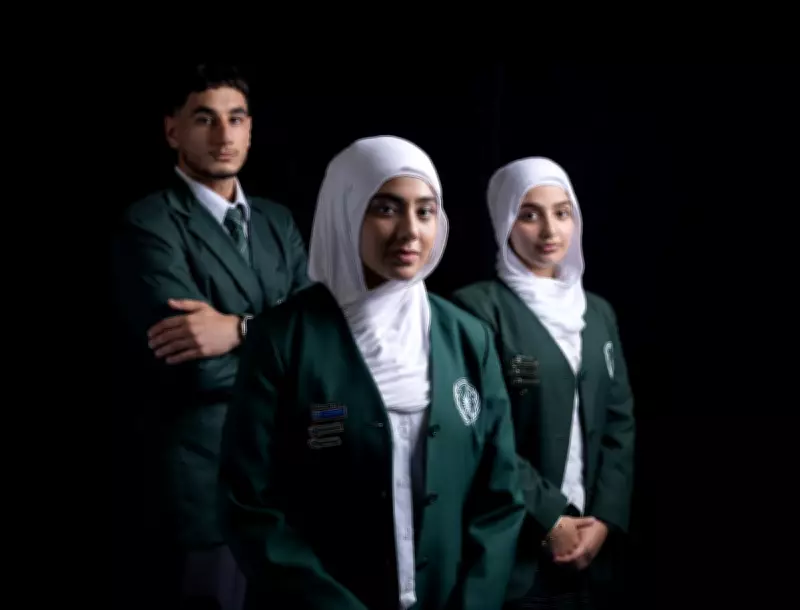
Pauline Hanson's Anti-Islam Remarks Ignite Fury Among Australian Muslim Youth
Controversial Australian politician Pauline Hanson has sparked widespread outrage among Muslim teenagers across the nation following her recent inflammatory comments targeting the Islamic community. The incident, which has dominated headlines, underscores the deepening divisions in Australia's political and social fabric.
Hanson's Provocative Statements Draw Immediate Condemnation
Hanson, known for her hardline stance on immigration and multiculturalism, made remarks that were widely perceived as Islamophobic during a public address. She claimed that Muslim communities pose a threat to Australian values and called for stricter policies against Islamic practices. These statements were met with swift condemnation from civil rights groups, political opponents, and religious leaders.
"Her words are not just offensive; they are dangerous," said a spokesperson for the Australian Muslim Advocacy Network. "They fuel hatred and put young Muslims at risk of discrimination and violence."
Muslim Teenagers Voice Their Anger and Frustration
In response, Muslim teenagers have taken to social media and organized protests to express their anger and frustration. Many shared personal stories of facing prejudice and fear in their daily lives, attributing it to the toxic rhetoric propagated by figures like Hanson.
- One 17-year-old from Sydney stated, "We are Australians too, and her comments make us feel unwelcome in our own country."
- Another teenager from Melbourne added, "This isn't about politics; it's about our safety and dignity."
The backlash highlights the growing activism among young Muslims, who are increasingly vocal in challenging Islamophobia and advocating for inclusivity.
Political and Social Implications of the Controversy
The controversy has reignited debates about free speech, hate speech, and the role of politicians in shaping public discourse. Critics argue that Hanson's remarks cross the line into incitement, while supporters defend her right to express controversial views.
- Political analysts note that such incidents could influence upcoming elections, polarizing voters along cultural lines.
- Social experts warn that persistent Islamophobia may lead to long-term alienation of Muslim communities, affecting social cohesion.
This event is part of a broader pattern of rising anti-Muslim sentiment in Australia, with reports of hate crimes and discrimination increasing in recent years.
Looking Ahead: Calls for Accountability and Change
In the wake of the uproar, there have been calls for Hanson to apologize and for political parties to adopt stronger measures against hate speech. Community leaders are urging for educational initiatives to promote tolerance and understanding among young Australians.
"We need leaders who unite, not divide," emphasized a youth activist. "It's time for a national conversation about respect and diversity."
As the fallout continues, the incident serves as a stark reminder of the challenges facing multicultural societies and the power of words to either heal or harm.




