
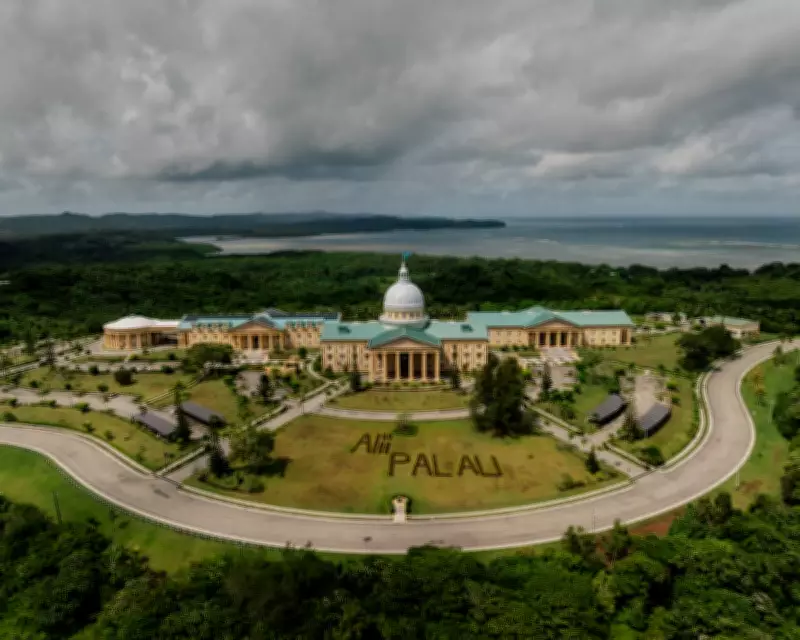
A contentious agreement from the Trump administration to relocate deportees from the United States to the small Pacific nation of Palau is facing significant hurdles, following a decisive vote by the Palauan senate to block the deal. The arrangement, which has sparked widespread unease among traditional leaders and lawmakers, now hangs in the balance as concerns over social cohesion and national capacity intensify.
Senate Vote Halts Controversial Resettlement Plan
The deal, signed by President Surangel Whipps Jr in December, would permit up to 75 third-country migrants facing removal from the US to live and work in Palau. In return, Palau would receive a broader assistance package, including $2 million for security initiatives and $7.5 million tied directly to the resettlement of these individuals. However, in January, the senate moved to block the agreement and proposed a public referendum to gauge national sentiment on accepting non-Palauan deportees.
Traditional Leaders Voice Strong Opposition
Since the Trump administration first approached Palau in July 2025, the deal has drawn sharp criticism from the country's influential Council of Chiefs, which represents Palau's 16 tribal chiefs. In letters to President Whipps Jr, the council expressed that Palau was "not ready, willing, and prepared to venture into this new area of responsibility," warning that allowing deportees could undermine social cohesion and cultural values. They noted surprise at the recently signed memorandum of understanding, highlighting a lack of prior consultation.
Concerns Over National Capacity and Infrastructure
In its bill to block the deal, Palau's senators argued that the country, which is not a signatory to the 1951 UN Refugee Convention, is ill-suited to serve as a destination for deportation or resettlement due to its "geographic size, infrastructure and resource constraints." This reflects broader anxieties about the nation's ability to absorb newcomers without straining its limited resources.
President's Stance and Support for the Deal
Despite the opposition, President Whipps Jr has defended the agreement, stating in a written statement that it offers "a lawful, humane solution that respects our people, our laws, and our limited capacity as a small island nation." He emphasised that Palau would review each individual on a case-by-case basis, focusing on those with skills to fill workforce gaps and contribute positively to communities.
Limited Support in the Senate
Senator Rukebai Inabo was one of only three lawmakers who supported the US deal, arguing it is "mutually beneficial" for both nations and provides deportees with a viable alternative. She noted that Palau offers a peaceful, simple, and less expensive lifestyle, making it a good option for those with few choices. Inabo also backed the idea of a referendum to assess public opinion, though such a vote would be non-binding.
Broader Context of US Migration Policy
This agreement is part of the Trump administration's broader strategy to remove migrants from the US by transferring them to third countries, including South Sudan and Eswatini—a policy that has faced criticism from migration lawyers and human rights groups. The future of the Palau deal now rests with the lower house, which must consider it, and ultimately with President Whipps Jr, as the nation navigates this complex diplomatic and humanitarian issue.




