
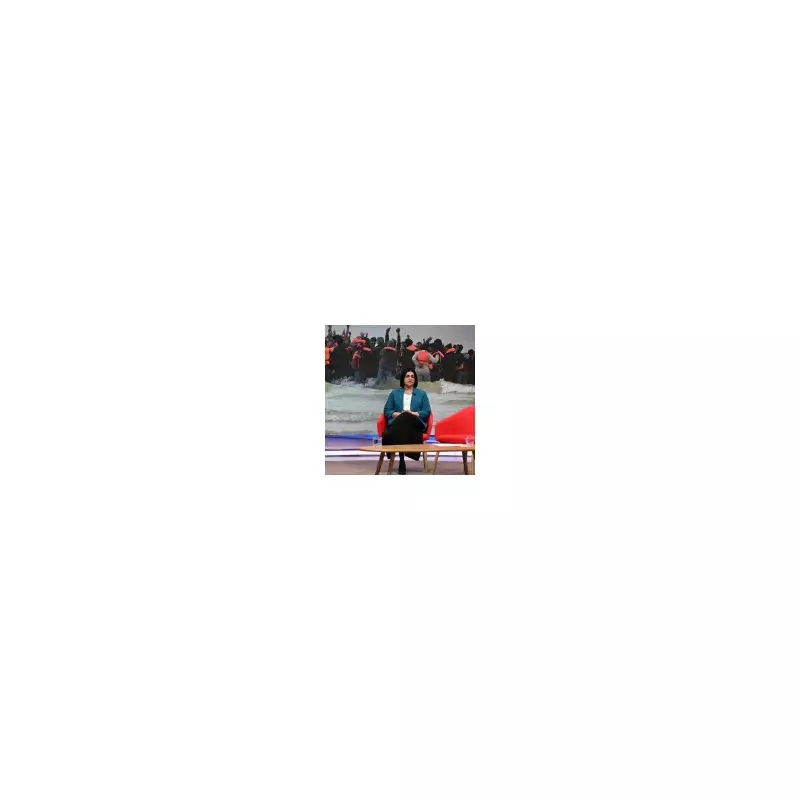
The UK government is facing widespread condemnation over controversial proposals to seize jewellery and other assets from asylum seekers arriving in Britain. The policy, revealed as part of a broader immigration crackdown, would allow authorities to confiscate items to help cover processing and accommodation costs.
Personal connections to possessions
The author recalls a childhood memory from over twenty years ago, when their father opened a suitcase filled with family jewellery in their living room. Among the treasures were necklaces, rings, and bracelets that held profound emotional significance, each piece representing relatives who had passed away, including an aunt the author never met.
For their father, who immigrated from India in the 1970s, these items weren't mere possessions but tangible connections to family members no longer with them. The suitcase contained jewellery, books, photo albums, clothing, and trinkets that served as precious memories rather than financial assets.
Government's controversial proposal
Reports emerged that under the new immigration measures, the government could confiscate necklaces, chains, and other high-value items acquired in the UK, including cars and bicycles. The policy specifically exempts wedding rings but leaves other jewellery vulnerable to seizure.
The Sun newspaper broke the story under the headline 'Bling Sting', revealing that the crackdown primarily targets small boat arrivals. Critics have described the measure as 'performative cruelty' that aligns with the current government's approach to immigration.
Asylum Minister Alex Norris attempted to clarify the policy on Sky News, stating: 'I wouldn't read too far ahead on what the Home Secretary will say', while not denying that jewellery could be seized. He emphasised that people with money in banks or assets like cars and e-bikes should contribute to their processing costs.
Cultural significance and human impact
In South Asian culture, jewellery carries deep ancestral significance, often passed down through generations to transfer luck and blessings. These heirlooms contain the love and experiences of mothers and grandmothers, serving as connections to family lineage when migration creates physical distance.
The author highlights how their father keeps his late father's broken watch displayed under a glass dome, using it as a touchstone to share stories about a grandfather the author never met. Such personal connections to objects transcend monetary value and would be threatened under the proposed regime.
Home Secretary Shabana Mahmood, herself the child of immigrants, defended the government's approach on Sky News, noting her parents came to Britain 'legally' while expressing concern about division caused by illegal migration. However, critics argue that such policies actually exacerbate division rather than alleviate it.
The proposed measures represent what many see as a continuation of harsh immigration policies that strip dignity from people already navigating a complex and often dehumanising system. Rather than providing meaningful solutions, the policy appears designed to appeal to anti-immigration sentiments while failing to address underlying issues in the UK's refugee processing system.




