
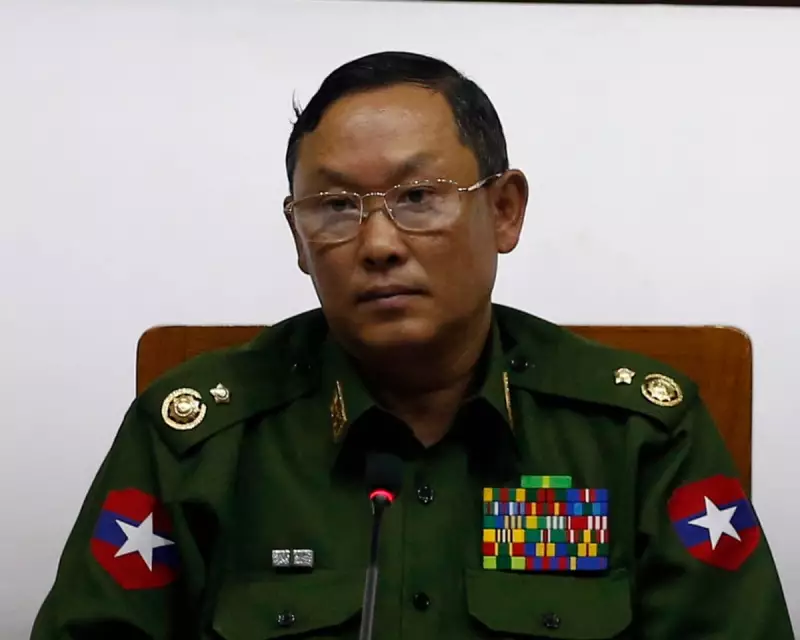
The military government in Myanmar has publicly praised a decision by the United States to terminate a programme that shielded thousands of its citizens from deportation back to their conflict-torn homeland.
Washington's Controversial Decision
On Monday, the US administration under Donald Trump announced it was removing eligibility for the Temporary Protected Status (TPS) scheme for Myanmar nationals. This programme, which currently protects approximately 4,000 people from deportation and grants them work rights, was originally granted following the 2021 military coup that plunged the nation into a devastating civil war.
The US Department of Homeland Security, led by Secretary Kristi Noem, justified the move by citing what it called "substantial steps toward political stability" within Myanmar. This assessment references the junta's planned elections and the scheduled ending of a nationwide state of emergency this summer.
Jubilation and Condemnation
The announcement was met with immediate approval from the Myanmar military regime. Zaw Min Tun, the junta's spokesperson, described Washington's decision as "a positive statement".
In an official communication, he called on Myanmar citizens in the US to return to their "motherland", urging them to "come back to Myanmar and vote in the general election". He added that they were welcome to participate in building a "modern and developed nation".
However, the decision has been heavily criticised by human rights organisations and advocacy groups. Me Me Khant, executive director of the US-based Students for Free Burma, labelled the TPS termination "a slap in the face to the community", stating that it is "obviously really not safe to go back home".
A Deepening Crisis Amidst Election Preparations
This controversy unfolds as Myanmar's military, which seized power in the 2021 coup and jailed democracy leader Aung San Suu Kyi, prepares for phased elections beginning 28 December.
These polls have been widely condemned. Volker Turk, the UN High Commissioner for Human Rights, told AFP that "to hold elections under these circumstances is unfathomable".
Critical context includes:
- Suu Kyi's political party has been dissolved.
- New junta-enforced rules punish election protests with up to a decade in prison.
- Vast areas of the country remain active conflict zones.
- The UN's Independent Investigative Mechanism for Myanmar (IIMM) reports increasing accounts of "serious international crimes" ahead of the vote.
Nicholas Koumjian, head of the IIMM, warned that tactics such as the detention of election critics and airstrikes to regain territory "may amount to persecution and spreading terror in a civilian population as crimes against humanity".
The human cost of the ongoing civil war is staggering. According to the non-profit Armed Conflict Location + Event Data Project, which collates media reports, as many as 90,000 people have been killed on all sides since the coup.




