
UK Politicians Rally Support for Hurricane-Devastated Jamaica
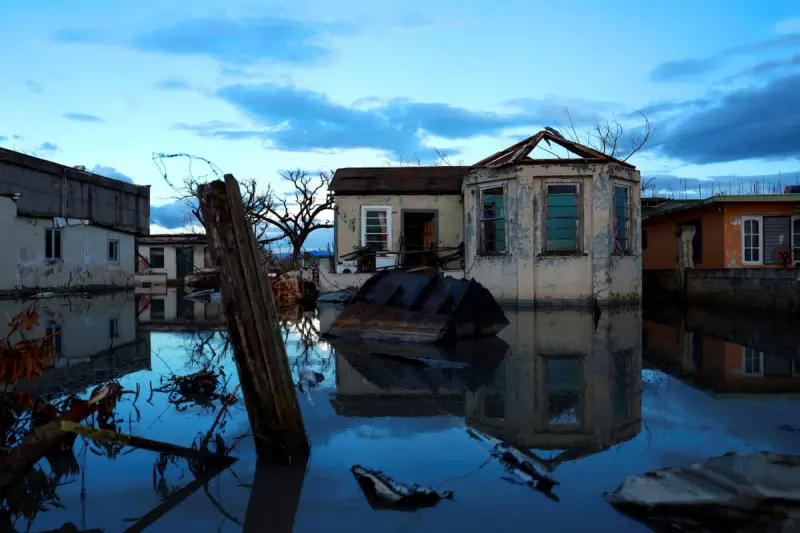
British MPs are intensifying pressure on the government to provide additional aid and humanitarian visas for Jamaican citizens affected by Hurricane Melissa, which has left parts of the Caribbean nation in crisis. The storm has created devastating conditions across Jamaica, particularly in areas like Black River, where flooded homes have become a common sight.
Political Leaders Advocate for Vulnerable Jamaicans
Labour MP Dawn Butler, representing Brent East and chairing the all-party parliamentary group on Jamaica, has taken a leading role in the campaign. Butler has formally written to the home secretary requesting temporary humanitarian visas and fee waivers for vulnerable relatives of UK nationals impacted by the disaster.
In her social media statements, Butler highlighted concerns raised during an emergency meeting in her constituency, which hosts one of Britain's largest Jamaican communities. Residents urgently called for relaxed visa restrictions allowing children and elderly hurricane victims to stay with family members in the UK during the recovery period.
Diane Abbott, MP for Hackney North and Stoke Newington, has endorsed Butler's initiatives while emphasising the need for sustained assistance. Abbott noted that initial public attention focused on tourist repatriation but has since diminished, despite the long-term rebuilding requirements for severely affected districts like Black River.
Historical Obligations and Contemporary Responsibilities
Campaigners are drawing comparisons to the UK's response to other international crises. Windrush activist Euen Herbert-Small pointed to the Homes for Ukraine scheme as a precedent that should extend to Jamaica. "We did it for Ukraine. We can definitely do it for Jamaica," Herbert-Small asserted, highlighting Jamaica's status as a Commonwealth nation with the King as head of state.
Rosalea Hamilton of the Lasco Chin Foundation, actively providing hurricane relief in Jamaica, echoed these sentiments. She expressed that ordinary Jamaicans reasonably expect special consideration during crises given the constitutional relationship with Britain. Hamilton suggested that the UK's current £7.5 million emergency pledge seems insufficient and potentially undermines the monarchy's relevance to Jamaica.
The hurricane's impact statistics reveal the scale of devastation: nearly one million of Jamaica's 2.8 million residents have been affected, with approximately 150,000 homes either damaged or completely destroyed. Prime Minister Andrew Holness estimates reconstruction costs reaching about $8 billion (£6 billion).
Compounding Crises and Climate Justice Arguments
Jamaica now confronts multiple overlapping emergencies. Health authorities have declared a leptospirosis outbreak with 91 suspected cases and 11 confirmed fatalities. Health Minister Dr Christopher Tufton confirmed hospitals are equipped to detect and treat the disease, but resources remain stretched thin.
The Green Party has connected the disaster to broader climate justice issues, noting the UK's historical responsibility regarding both slavery and fossil fuel consumption. Ellie Chowns, the party's foreign affairs spokesperson, stated that Britain must acknowledge its "huge historical responsibility in relation to the legacy of slavery" and climate impacts when responding to Caribbean disasters.
This perspective aligns with arguments from the Global Afro-Descendant Climate Justice Collaborative, which frames Hurricane Melissa's devastation as part of a pattern where African-descended populations disproportionately suffer from environmental degradation rooted in colonial history.
As recovery efforts continue, Jamaican authorities like Pearnel Charles, Minister of Labour and Social Security, emphasise their commitment to reaching all affected citizens through ground operations and support hotlines, while also planning for long-term psychological assistance for trauma survivors.




