Chicago Jury Delivers Not Guilty Verdict in High-Profile Border Patrol Murder Plot Case
A Chicago jury has acquitted a man accused of orchestrating a murder-for-hire plot against a top US border patrol official, dealing a significant blow to federal prosecutors in a case that stemmed from the Trump administration's immigration crackdown.
Rapid Jury Decision After Brief Deliberation
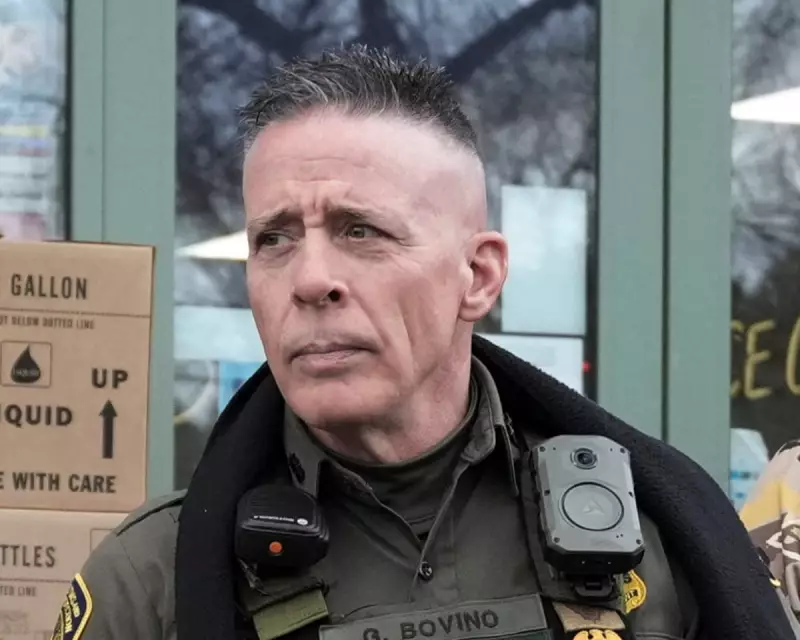
Juan Espinoza Martinez, 37, was found not guilty on Thursday after jurors deliberated for less than four hours. The prosecution had alleged that Espinoza Martinez offered a $10,000 bounty over Snapchat in October for the killing of Gregory Bovino, the border patrol chief who has led aggressive immigration operations across American cities.
Defense attorneys successfully argued that their client was merely sharing neighbourhood gossip through social media messages that did not constitute a genuine threat. Espinoza Martinez was facing up to ten years in prison if convicted on the murder-for-hire charge.
Snapchat Messages at the Heart of the Case
The government's case centred on Snapchat messages Espinoza Martinez sent to his younger brother and a friend who was later revealed to be a government informant. One message read "10k if u take him down" alongside a photograph of Bovino.
Jason Yonan, the second-highest-ranking federal prosecutor in the Chicago region, told jurors during the trial: "Those words do not indicate that this was a joke. Those words have meaning. They are not innocent and harmless words."
Defense Challenges Government's Narrative
Defense attorney Dena Singer presented a contrasting picture of Espinoza Martinez as a carpenter and family man who had been upset with immigration enforcement in his neighbourhood but had no gang connections. She argued the government failed to produce evidence that her client intended to carry out or pay for Bovino's killing.
"Sending a message about gossip that you heard in the neighbourhood, it's not murder for hire," Singer told jurors. "It's not a federal crime."
The defense highlighted that Espinoza Martinez had only a few dollars in his bank account and never followed up on the messages, which he claimed to have sent without much thought while scrolling through social media after work.
Broader Pattern of Failed Prosecutions
This acquittal represents the latest in a series of high-profile immigration enforcement cases that have collapsed in courtrooms across the United States. In September, the first Los Angeles protester to face trial in connection with southern California demonstrations against immigration raids was also acquitted in a case that featured direct testimony from Bovino.
Of approximately thirty criminal cases stemming from Operation Midway Blitz in Chicago, charges have been dismissed or dropped in about half. Several federal lawsuits in the region have raised questions about the Department of Homeland Security's narratives and credibility.
Controversial Witness Testimony
The trial featured testimony from Adrian Jimenez, a 44-year-old construction company owner who had communicated with Espinoza Martinez over Snapchat about work opportunities. Unbeknownst to Espinoza Martinez, Jimenez had worked as a paid government informant for years and shared the Snapchat messages with federal investigators.
Defense attorneys pointed out that Jimenez, who has back problems and walked slowly with a limp to the witness chair, seemed an unlikely candidate for carrying out a murder plot. "Would you solicit for hire an individual that was in that much pain and could barely walk?" Singer asked jurors.
Gang Allegations Withdrawn
Federal prosecutors initially described Espinoza Martinez as a "ranking member" of the Latin Kings street gang, but their lack of evidence led the judge to bar testimony about gang affiliations during the trial. The Department of Homeland Security had previously called Espinoza Martinez a "depraved" gang member and "thug" when he was arrested last year.
Neither Espinoza Martinez nor Bovino testified during the three-day trial. The defendant's brother, Oscar, testified that he interpreted the Snapchat messages as a joke and had seen similar content on Facebook previously.
Born in Mexico, Espinoza Martinez has lived in Chicago for years but does not have US citizenship. In a law enforcement interview played during the trial, he told investigators: "I didn't threaten anyone. I'm not saying that I was telling them to do it."