Maine Families Race Against Time as ICE Transfers Detainees Out of State
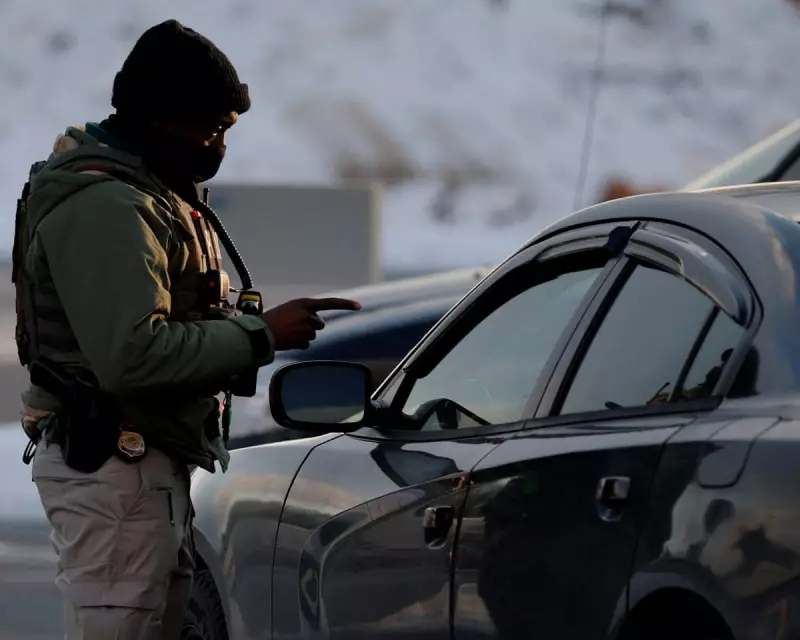
Immigration attorneys in Maine have reported that family members are desperately trying to locate more than 200 individuals arrested during a sweeping federal immigration crackdown this week. Federal authorities are rapidly moving detainees out of the state, making it increasingly difficult for loved ones to reach them and for lawyers to mount legal defences.
Legal System Overwhelmed by Rapid Transfers
Jenny Beverly, an immigration attorney with Haven Immigration Law, described being "buried in phone calls" as her team worked long hours to track down detainees and prevent their transfer from Maine. "We are racing against the clock as soon as we get a phone call to get something filed," Beverly explained. She expressed concern that enforcement was conducted at this pace deliberately to overwhelm the system.
When Immigration and Customs Enforcement agents transfer detainees out of state, they become significantly harder to reach and face greater risks of removal from the United States. This situation has been exacerbated since September, when most immigrants lost their first layer of legal protections after a federal board ruling reversed years of precedent regarding bond eligibility for those who crossed the border unlawfully.

Habeas Petitions Become Crucial Legal Tool
Lawyers are increasingly turning to habeas petitions, which utilise detainees' rights to challenge their detention. However, these petitions must be filed in the same jurisdiction where a detainee is held. "If a detainee is moved quickly, lawyers lose the opportunity to challenge their detention," Beverly noted. With only a handful of lawyers trained to file such petitions in Maine, an influx of requests threatens to overwhelm the system.
Dispute Precedes Mass Removal from Cumberland Jail
Fifty immigrants were removed from Cumberland County Jail on Thursday, according to Sheriff Kevin Joyce. This two-story Portland facility has served as Maine's central detention hub during Trump's second term. The mass removal followed a dispute between Joyce and federal immigration authorities after the sheriff criticised their tactics as "bush league policing."
Limited Capacity and Distant Transfers
Maine's capacity to hold detainees is severely limited, with only two federal detention facilities in the state. Patricia Hyde, deputy assistant director of ICE, stated the agency intends to target 1,400 individuals, far exceeding available space. The next closest holding facility with larger capacity is in Burlington, Massachusetts, but data shows more than 45% of Maine's detainees get transferred to Louisiana.
At least eight Maine residents have already been transferred to Louisiana, according to Maine's Immigrant Legal Advocacy Project. One man reported being held with approximately 100 others, sleeping in tents next to or on an active tarmac.
Emergency Legal Aid Requests Surge
More than 60 people have requested emergency legal aid from ILAP to prevent their removal since last week. Non-profit groups like ILAP provide this support free of charge, while private firms likely charge thousands of dollars, creating financial barriers unless families can secure assistance.
Sue Roche, ILAP's executive director, stated: "There are not adequate words to describe how difficult the past week has been. In ILAP's legal triage, we are seeing mostly people in lawful immigration processes with no criminal records being arrested. Many have been racially profiled and abducted from their cars off the street, and some have been targeted at home. ICE is stalking grocery stores and schools. The lack of due process or humanity in this enforcement operation is appalling."
Federal Response and Ongoing Challenges
When questioned about operations in Maine, Tricia McLaughlin, the DHS assistant secretary of public affairs, repeated a statement provided previously, describing apprehended immigrants as some of "the worst of the worst" who had been "charged and convicted of horrific crimes." This characterisation contrasts sharply with reports from legal advocates describing widespread arrests of individuals with no criminal records.

The situation continues to develop as families, attorneys, and advocacy groups work against time to address what they describe as an unprecedented enforcement operation disrupting lives and challenging legal protections across Maine.