
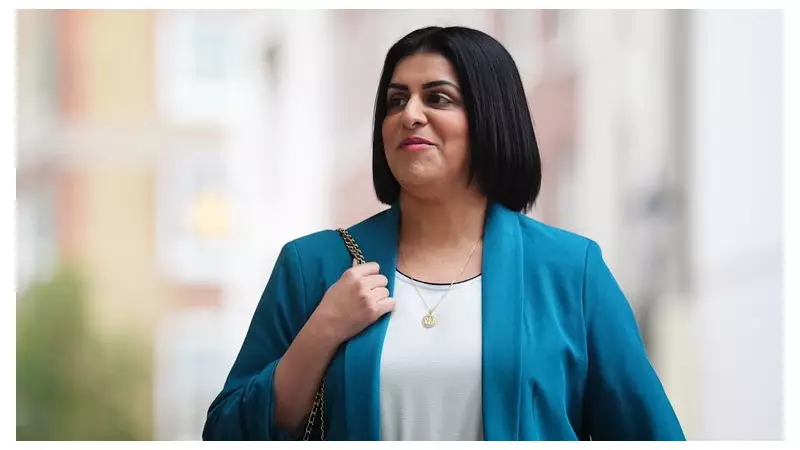
In a dramatic shift for Britain's political landscape, Home Secretary Shabana Mahmood has positioned herself as the new hard-line voice in Westminster, unveiling what she describes as "the most sweeping reforms to tackle illegal migration in modern times".
A Woman in a Hurry
After just 73 days in her role, the Labour minister is moving with unprecedented speed to address what she calls a system in crisis. Ms Mahmood believes illegal migration is "tearing our country apart" and that the border situation has spiralled out of control.
Her language marks a radical departure from traditional Labour positions, with team members describing her as "a woman in a hurry" to implement change. The political urgency stems from concerning statistics showing asylum claims in the UK increased by 18% over the past year, while other EU nations saw a 13% decrease.
Confronting the Crisis Head-On
Speaking to Sir Trevor Phillips on Sky News, Ms Mahmood firmly rejected suggestions that her approach panders to far-right narratives. "It's not right-wing talking points or fake news that is suggesting that we've got a problem," she stated, drawing from her direct experience with what she describes as a broken system.
The Home Secretary argues that the UK has become a "golden ticket" for asylum seekers due to more generous terms than other European countries. While acknowledging her predecessor's policies are beginning to show effect, her message is clear: previous ministers lacked the determination to properly address the issue.
Political Implications and Internal Resistance
In a stark warning to Labour colleagues uncomfortable with her approach, Ms Mahmood has declared this represents "the last chance for decent, moderate politics". She cautioned that "if these moderate forces fail, something darker will follow", directly referencing the anti-asylum policies of Reform and the Conservatives.
The political dynamics are complex, with Conservative shadow minister Chris Philp offering rare support for the "sensible steps" while questioning Labour's ability to implement them given likely opposition from their own left wing. Refugee charities have already condemned the measures as harsh and potentially ineffective.
Ms Mahmood's Danish-inspired approach, which aims to neutralise right-wing threats without leaving the European Convention on Human Rights, positions her as a potential leadership contender. At a time of political uncertainty for the government, her confident stance and specific policy proposals mark a significant moment in British politics.




