
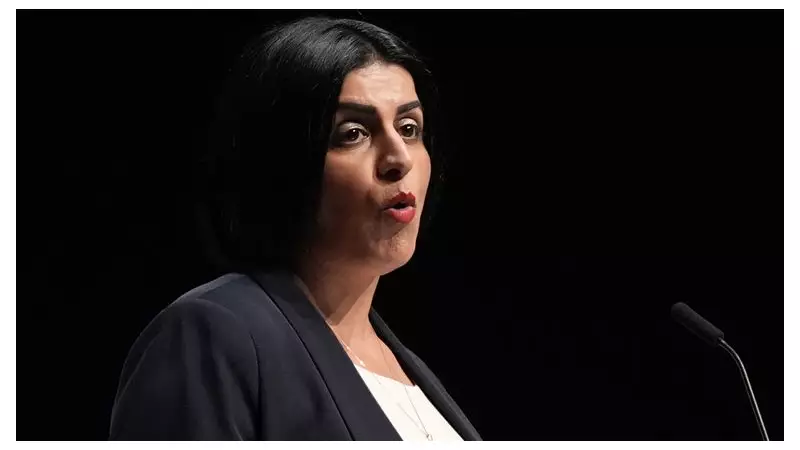
Home Secretary Shabana Mahmood is poised to announce the most significant overhaul of the UK's immigration system since the Second World War in a landmark statement to the House of Commons on Monday.
In what the Home Office describes as a historic move to "restore order and control," the reforms represent the largest shake-up of modern British immigration policy, directly modelled on Denmark's approach to migration management.
Core Components of the Immigration Shake-Up
The comprehensive package includes fundamental changes to legal processes and refugee status. A central pillar involves amending how Article 8 of the European Convention on Human Rights - the right to family life - is applied in migration court cases.
Under the new legislation, only individuals with immediate family in the UK, such as a parent or child, will be able to use Article 8 as grounds to remain. This addresses what the Home Office identifies as a significant increase in rights-based appeals being used to avoid deportation.
The reforms will also implement a 20-year waiting period before refugees can apply for permanent settlement, replacing what officials have termed the "golden ticket" approach that they claim has driven increased asylum claims and dangerous Channel crossings.
Temporary Status and Expedited Removals
In a dramatic shift from current practice, refugee status will become temporary and subject to regular review. Individuals will face removal once their home countries are deemed safe, and automatic housing and weekly allowances for asylum seekers will be discontinued.
The government plans to establish a new independent body mirroring Denmark's system to fast-track the removal of dangerous criminals while expediting last-minute appeals. The legislation will also prevent multiple attempts to appeal against asylum refusals.
To combat age fraud, authorities will deploy facial age estimation technology to rapidly assess claims from individuals who may be pretending to be children to strengthen their asylum applications.
Safe Routes and Political Justification
Alongside these restrictive measures, the government will introduce new safe and legal routes to the UK for those genuinely fleeing war and persecution, aiming to reduce dangerous small boat crossings.
Ms Mahmood, who has served as Home Secretary for 73 days, strongly defended the proposals against accusations of racism, describing them instead as a "moral mission." She stated that illegal migration is "tearing our country apart" and creating "huge divides" across communities.
Prime Minister Sir Keir Starmer emphasised that while Britain remains "a fair, tolerant and compassionate country," people need confidence that "our borders are secure and rules are enforced." The reforms are positioned as essential for maintaining public consent for the asylum system itself.




