
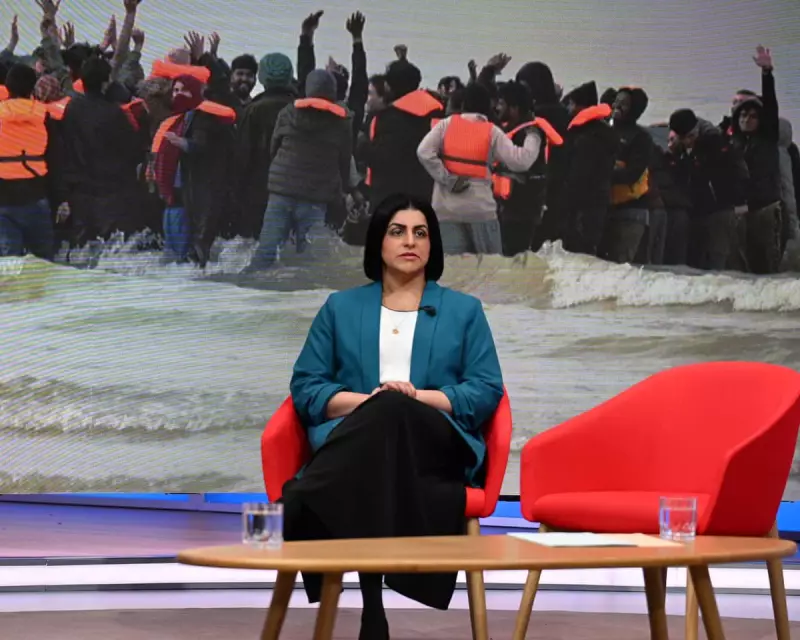
Labour MP Stella Creasy has launched a scathing critique of her own party's proposed asylum reforms, warning they would create ICE-style raids on British streets and leave genuine refugees in perpetual limbo.
The End of Permanent Sanctuary?
In a powerful intervention, the Walthamstow MP challenged the fundamental premise that Britain's asylum system has been broken by people fleeing war rather than by those administering it. The controversial reforms would break with 70 years of convention by offering only temporary sanctuary to refugees.
Under the proposed system, victims of torture and persecution would need to reapply for refugee status every two and a half years. Rather than being able to apply for indefinite leave to remain after five years as currently permitted, they would face a 20-year wait for permanent settlement.
Economic Costs and Human Impact
Creasy described the policy as not just performatively cruel but economically misjudged. Evidence from Denmark's similar approach shows it failed to deter arrivals while creating 20 percentage points lower employment rates among migrants and refugees.
The MP highlighted the practical consequences: Without stable status, refugees struggle to find work, open bank accounts, or secure mortgages, increasing their dependence on state support. The policy would also require costly reassessments of the same individuals, despite the unlikelihood of conditions improving in their home countries.
Broader Immigration Context
Creasy emphasised the urgent need to disentangle immigration and asylum debates, noting that students shouldn't be counted in the same category as vulnerable refugees. She argued for a grown-up conversation about different visa categories for marriage, care workers, high-value skills, and humanitarian needs.
The MP also highlighted that reduced cooperation and data sharing since leaving the EU has proven a bigger problem for border control than the European Convention on Human Rights. She called for stronger joint approaches with other countries on safe routes and data sharing regarding rejected applicants.
Ultimately, Creasy concluded that the problem isn't immigrants but politicians themselves, as another parliamentary row on immigration and refugees approaches.




