
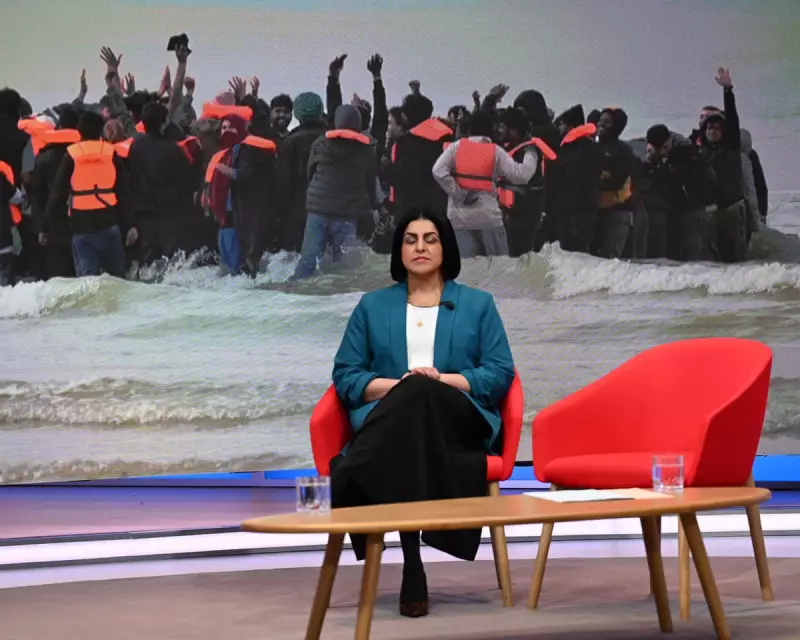
Labour's Controversial Asylum Overhaul Faces Mounting Criticism
Home Secretary Shabana Mahmood's sweeping immigration reforms have sparked significant controversy, drawing both praise from far-right figures and causing distress among vulnerable refugees. The announcements, described by Mahmood as "the most sweeping reforms to tackle illegal migration in modern times," have left asylum seekers "panicked, trembling and crying" at the prospect of being uprooted after finding safety in Britain.
Recycled Policies and Empty Threats
Behind the government's tough rhetoric lies a mixture of recycled policies and unachievable promises. The Home Office has been issuing numerous press releases detailing various aspects of the reforms, but closer examination reveals significant gaps between claims and reality.
Mahmood points to increased removal numbers, with 11,231 asylum-related returns in the year to November 2025, but many of these were to countries like Brazil and India that historically have low asylum grant rates. The plan to pressure Angola, Namibia and the Democratic Republic of the Congo by restricting visas if they don't accept foreign national offenders affects only a few thousand visas combined - barely making a dent in overall immigration figures.
Devastating Impact on Refugees
The decision to extend the time before refugees can settle permanently from five years to twenty will have profound consequences. Refugees from conflict zones including Eritrea, Afghanistan, Sudan and Iran face being left in long-term limbo, making it difficult to secure jobs, find housing and establish roots.
One Syrian refugee expressed the growing fear among migrant communities: "I feel like I've been scammed by the government who are clapping Reform UK and people who have racist and fascist views." The psychological impact is severe, with previously reduced nightmares about trauma in Syria returning since the announcements.
The asylum accommodation changes, while sounding draconian, will only affect approximately 8,500 asylum seekers who came via visa before claiming asylum, making assistance "discretionary" rather than automatic. The much-publicised jewellery confiscation policy, inspired by Denmark, has seen minimal implementation - only 17 cases between 2016 and 2022 in the Scandinavian country.
Growing Political Disquiet
There is mounting concern within Labour's own ranks about the direction of these policies. Labour MP Sarah Owen captured the sentiment of many critics, stating that "a strong immigration system doesn't need to be a cruel one." The endorsement from far-right figure Tommy Robinson (real name Stephen Yaxley-Lennon), who celebrated that "the Overton window has been obliterated," has raised questions about the political wisdom of these measures.
Despite the government's tough stance, there's no evidence that deterrent measures have reduced asylum seeker numbers. Small boat crossings remain high despite policies like "one in, one out" launched on 6 August. The government's own research contradicts the notion that benefits and housing are primary pull factors for those seeking sanctuary.
Instead of pursuing these controversial policies, critics suggest the UK should work with European partners and UN bodies to ensure fair distribution of asylum seekers between safe countries, preserving the fundamental right to seek sanctuary from persecution.




