
Labour's Controversial Asylum Overhaul Faces Practical Hurdles
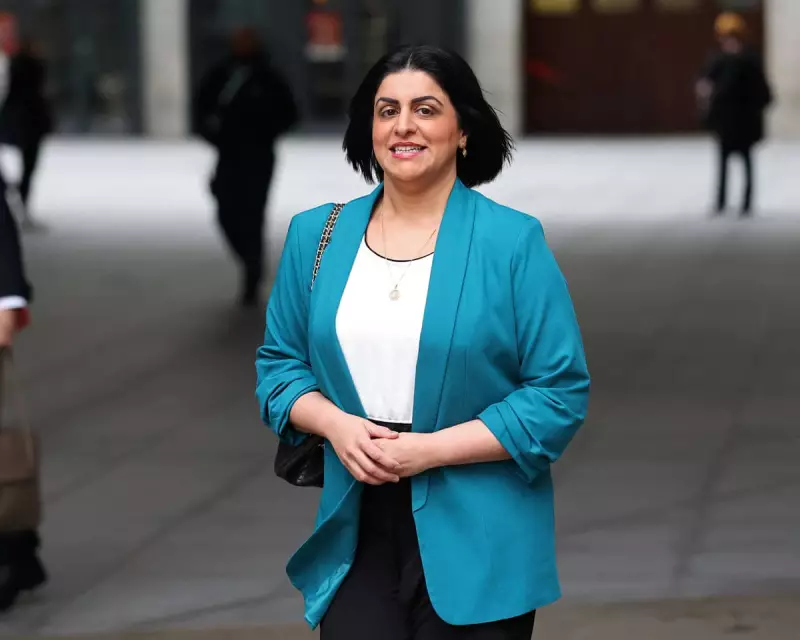
Home Secretary Shabana Mahmood has unveiled sweeping changes to Britain's asylum system that would fundamentally alter how refugees are processed and granted protection in the UK. The proposed reforms would replace the current five-year right to remain with an initial 30-month stay, followed by repeated status reviews that could leave refugees in temporary status for up to two decades before qualifying for permanent settlement.
The Danish Model: A Cautionary Tale
The government appears to be drawing inspiration from Denmark's approach, where a centre-left administration implemented similar measures a decade ago. However, the Danish experience serves as a warning rather than a blueprint for success. When Copenhagen attempted to strip Syrians of protection status, it created a permanent underclass of people stuck in deportation centres, unable to work or participate normally in society.
The British version of this policy would operate on a much larger scale. With approximately 100,000 asylum claims processed annually - many from countries with high grant rates like Afghanistan, Syria, and Iran - the system would need to conduct around 70,000 status reviews every year. The Refugee Council estimates this would require reviewing 1.4 million cases by 2035 at a staggering cost of £872 million.
System Already Under Strain
This ambitious plan faces immediate practical challenges. The current system cannot handle its existing caseload of 50,000 appeals, with waiting times stretching to approximately one year and tribunal judges in short supply. Creating an entirely new bureaucracy to repeatedly reassess refugee status appears more like magical thinking than bold policy-making.
Ms Mahmood has indicated she intends to reform rather than abandon the European Convention on Human Rights, distinguishing her approach from Conservative and Reform UK positions advocating complete withdrawal. However, meaningful changes cannot be made unilaterally, and any solo attempt would risk undermining Northern Ireland's peace arrangements and the post-Brexit deal with the EU.
A Simpler Solution Exists
There is a more straightforward approach to addressing one of the public's primary concerns about asylum: the use of hotels for accommodation. The Refugee Council identifies that 40% of hotel residents come from just five countries - Sudan, Eritrea, Iran, Afghanistan and Syria - where between 60% and 98% of applicants are ultimately granted asylum.
A one-off scheme granting limited permission to stay, subject to security checks, could rapidly empty the hotels. This approach was successfully implemented by Rishi Sunak in 2023 and would avoid engaging in a damaging political arms race with far-right elements.
By attempting to out-tough Nigel Farage on asylum policy, Labour risks ceding ownership of the issue to Reform UK while driving the political debate rightward. More concerningly, the party increases the prominence of an issue it cannot solve alone while potentially alienating progressive supporters and appearing both cruel and incompetent in implementation.




