
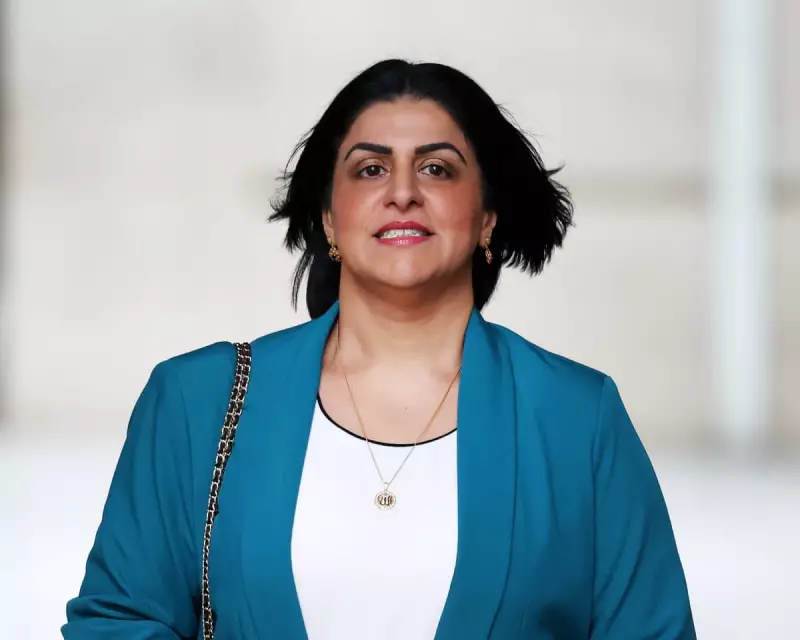
Church Leader 'Shaken to the Core' by Labour's Asylum Overhaul
A senior Church of England bishop has expressed profound dismay at new asylum proposals from Labour's Shabana Mahmood, stating her comments had shaken him 'to the core'. The Rt Rev Dr Anderson Jeremiah, Bishop of Edmonton, accused the government of using asylum seekers as scapegoats for long-standing policy failures.
What Labour's New Asylum Measures Propose
The proposed reforms represent a significant tightening of the UK's asylum system. Under the new measures, an individual's refugee status would be subject to review every two-and-a-half years. Furthermore, the path to permanent settlement could be dramatically extended, with some asylum seekers potentially waiting up to 20 years to secure indefinite leave to remain.
In one of the most contentious elements, the plans suggest that people already granted asylum could be returned to their country of origin if that nation is subsequently deemed safe. These proposals follow Home Secretary Mahmood's assertion that illegal migration was 'tearing the country apart'.
Widespread Condemnation from Campaigners and Communities
The backlash against the proposed reforms has been swift and severe from refugee support organisations and community leaders. Nick Beales, head of campaigning at the Refugee and Migrant Forum of Essex and London, described the plans as 'desperately cruel and counter-productive', warning they would overwhelm the Home Office with constant status renewal applications.
Josephine Whitaker-Yilmaz of migrant charity Praxis called the proposals 'morally reprehensible', highlighting the particular impact on children and families. She noted the contradiction in government aims, stating: 'The government always talks about the need for people to contribute and integrate but making them wait for 20 years without some form of permanent status is abruptly contrary to that.'
Rabbi David Mason of HIAS+Jcore drew historical parallels, recalling similar rhetoric faced by Jewish refugees in the 1930s. 'There are repetitive aspects,' he observed. 'Back then it was Jewish culture which was the other, now it's other cultures.'
Bishop Jeremiah contextualised the debate within broader societal challenges, arguing that asylum seekers were being blamed for systemic issues including wealth inequality, education funding, and healthcare provision. He emphasised the interconnected nature of global crises, stating: 'Our environmental crisis is deeply connected to the conflicts which lead people to our borders.'




