
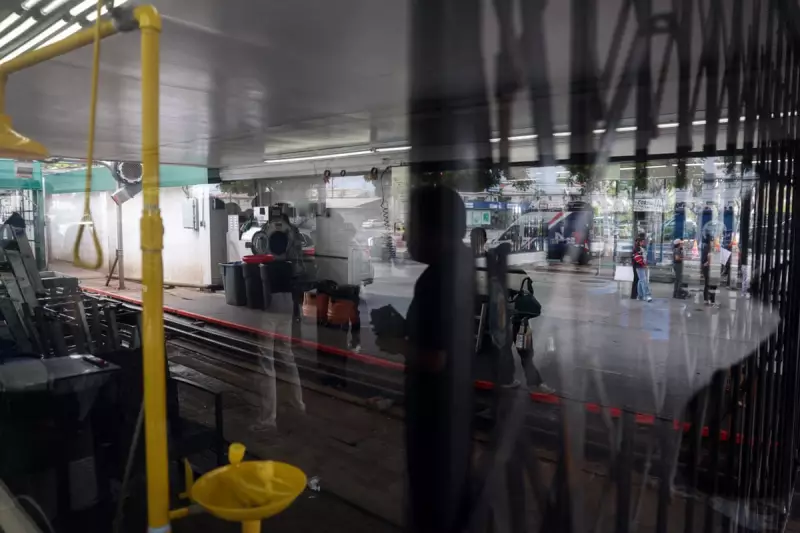
Federal immigration raids in Los Angeles have turned the city's car washes into a primary target, creating what advocates describe as a state of terror and 'psychological warfare' within immigrant communities. Since June, US Immigration and Customs Enforcement (ICE) agents have conducted sweeping operations, resulting in the detention of hundreds of workers.
A Campaign of Fear and Disappearance
According to the Clean Carwash Worker Center, an advocacy group founded in 2007, there have been more than 101 ICE operations targeting car washes in southern California since the raids began. These actions have led to the arrest of at least 346 car wash workers. Many were swiftly deported, often after being coerced into signing voluntary departure orders, while the organisation's efforts have secured the release of 20 individuals on bond.
"This is a time that many of us, as organisers or as advocates, have never lived through," said Andrea Gonzalez, Clean's deputy director. "It's a moment where you really are having to grapple with terror. It's a terror that's being inflicted on our communities."
Norma Fajardo, the group's organising director, expressed shock at the scale and nature of the enforcement. "In our wildest dreams, we would have never imagined that ICE or federal agents were going to be racially profiling and picking up anyone who looks brown or speaks Spanish or that they would target carwash workers."
Beyond Labour Rights: A Fight for Basic Humanity
Originally established to combat exploitative labour conditions and help unionise workers, Clean's mission has drastically shifted since Donald Trump took office. The group now acts as a critical link, connecting detained workers and their families with legal aid and bond funds, striving to prevent people from disappearing into the detention system.
"Our role when we started was really just to empower workers in the industry to learn about the rights they have here in California," Gonzalez explained. "Right now, it's beyond workers rights. We're talking about their rights as human beings... and not to be hunted like animals."
The impact extends beyond undocumented workers. Gonzalez notes that US citizens, legal permanent residents, and those with pending immigration cases have also been detained. The pervasive fear has caused some car washes to close voluntarily, while others have shut down because workers are too afraid to show up. Even customers have become wary of visiting.
A Broken System and the Scramble for Aid
The legal landscape has become increasingly hostile. Gonzalez revealed that due to administrative changes, the primary way to secure bond now is through a costly habeas corpus petition in federal court—a nearly impossible barrier for many families already struggling to afford an immigration lawyer.
"When a lot of our communities can barely afford an immigration attorney... you can imagine just how inaccessible it is for people then to have to hire a separate attorney," she said. This pressure leads many to sign their own removal orders. "If they're from Mexico, sometimes if they're detained on a Monday or on Tuesday they'll already be in Tijuana. In a matter of 12 hours people's lives can change."
In response, Clean has mobilised a multi-pronged effort, including:
- A mutual aid network providing food and financial assistance through a solidarity fund.
- A legal fund to help secure representation.
- Deepened coalitions with groups like the National Day Labor Organizing Network (NDLON).
- Outreach to car washes to inform workers of their support network before a raid occurs.
The workers caught in this net are among the most vulnerable, the advocates stress. The industry is comprised predominantly of Latino men and women, some of whom are senior citizens, cancer survivors, or have been in the community for over 30 years. Their crime, as framed by the activists, was simply "being at a carwash and coming to this country to seek a better life."
As raids continue—with agents reportedly telling some businesses "we'll be back"—the Clean Carwash Worker Center's role has become one of fundamental protection: ensuring that members of the community do not vanish without a trace.




