
ICE Custody Deaths Ignite National Protests and Scrutiny
The year 2026 has begun with a tragic and alarming pattern of fatalities linked to US Immigration and Customs Enforcement (ICE) operations. Eight individuals have already lost their lives either directly at the hands of federal agents or while detained in ICE custody, sparking widespread outrage and demonstrations across the United States.
High-Profile Shootings in Minneapolis
The killings of two Minneapolis residents, Alex Pretti and Renee Nicole Good, have brought intense national focus to this issue. Both were 37 years old and their deaths have become focal points for protest movements demanding accountability and reform.
Alex Pretti, an intensive care unit nurse at a veterans affairs hospital, was fatally shot by federal agents during an anti-ICE protest on 24 January. Witnesses and video evidence indicate that Pretti was attempting to assist a woman who had been pushed to the ground when he was tackled, beaten, restrained, and ultimately shot. Despite senior White House official Stephen Miller characterising the incident as a domestic terrorist attempting to assassinate federal law enforcement, footage shows Pretti was holding only his phone when he was disarmed prior to being shot.
Renee Nicole Good, a mother of three, poet, and writer who had recently moved to Minneapolis from Kansas City, was fatally shot by a federal agent in her car on 7 January. Department of Homeland Security Secretary Kristi Noem described the agent as responding to an "act of domestic terrorism." Good's mother remembered her as "one of the kindest people I've ever known."
A Pattern of Custody Deaths Emerges
These high-profile shootings represent just two cases among a broader pattern of deaths associated with immigration enforcement. The eight fatalities in early 2026 follow at least 32 deaths in ICE custody during 2025 – the highest number since 2004.
The circumstances surrounding these deaths vary significantly, raising serious questions about detention conditions and enforcement practices:
- Luis Gustavo Nunez Caceres, a 42-year-old Honduran immigrant, died in ICE custody at HCA Houston Healthcare in Conroe, Texas on 5 January. His brother claims inadequate medical care contributed to his death, while DHS maintains detainees receive "higher standard of care than most prisons."
- Geraldo Lunas Campos, a 55-year-old Cuban immigrant and father of four, died at the ICE facility Camp East Montana in El Paso, Texas on 3 January. While ICE claims he was attempting suicide, an autopsy revealed neck injuries consistent with a chokehold, and a witness reported he was restrained until unconscious.
- Victor Manuel Diaz, a 36-year-old Nicaraguan immigrant, also died at Camp East Montana on 14 January in what ICE described as a "presumed suicide." His brother disputes this account, stating Diaz "was not a criminal" but seeking a better life.
- Parady La, a 46-year-old Cambodian immigrant, died while in ICE custody at Thomas Jefferson University hospital in Philadelphia on 9 January. He was receiving treatment for drug withdrawal when found unresponsive.
- Luis Beltran Yanez-Cruz, a 68-year-old Honduran immigrant and father of three, died from heart-related issues at a California hospital on 6 January. His daughter believes his cardiac problems began after detention.
- Heber Sanchez Domínguez, a 34-year-old Mexican national, was found hanging at a Georgia detention centre on 14 January. Mexican officials have requested clarification of the circumstances.
Broader Context and Historical Precedent
These deaths occur against a backdrop of increasing scrutiny of immigration enforcement practices. The 2025 death of Keith Porter Jr., a 43-year-old Black man fatally shot by an off-duty ICE agent in Los Angeles on New Year's Eve, set a concerning precedent for the current year's fatalities.
Department of Homeland Security statements defending their medical care standards – claiming "this is the best healthcare they have received their entire lives" for many immigrants – contrast sharply with families' accounts of inadequate treatment and questionable circumstances surrounding deaths in custody.
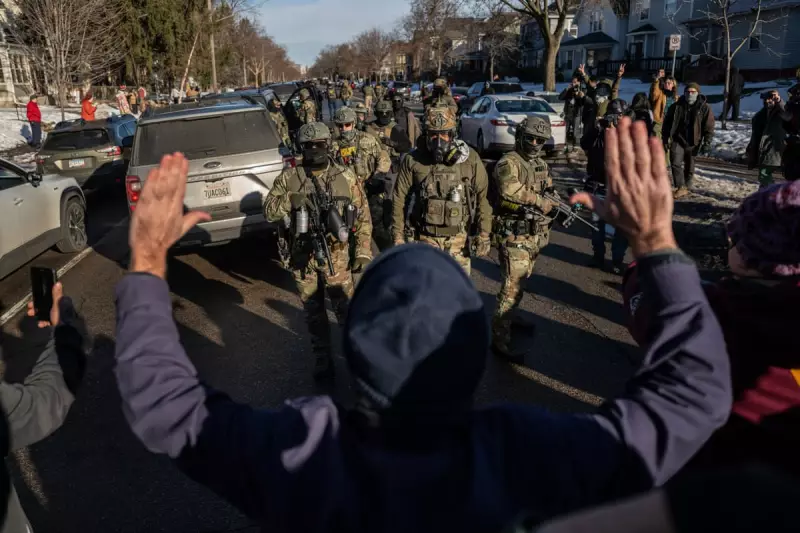
As investigations continue into these eight deaths, protest movements have gained momentum, particularly in Minneapolis where demonstrations have directly confronted federal law enforcement agents. The national conversation continues to grapple with fundamental questions about immigration enforcement, detention conditions, and accountability for deaths occurring under federal custody.




