
Republican Senator Signals Support for ICE Body Cameras in Funding Dispute
In a significant development on Capitol Hill, Republican Senator Ron Johnson has indicated he does not oppose the idea of Immigration and Customs Enforcement (ICE) agents wearing body cameras during patrols. This concession comes as Democrats block funding for the agency, demanding reforms following controversial operations in Minneapolis.
Minneapolis Protests Intensify Scrutiny
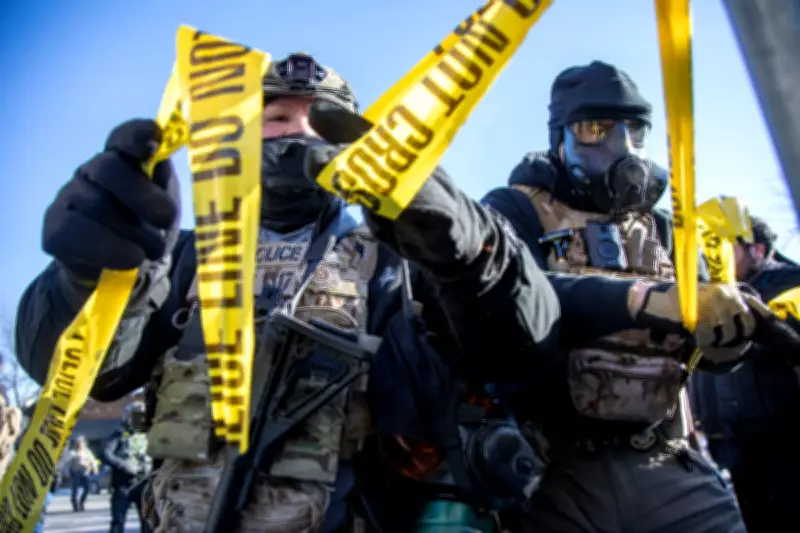
The political standoff has been amplified by recent clashes between protesters and law enforcement in Minneapolis, United States, on 24 January 2026. These incidents, captured in photographs by Anadolu/Getty Images, have drawn fierce criticism of ICE's tactics, particularly after the fatal shootings of two individuals, Alex Pretti and Renee Good. Civil liberty lawyers argue that filming or observing agents is protected under the US Constitution's First Amendment, yet agents have faced allegations of arresting and pepper-spraying demonstrators.
Democratic Demands and Republican Response
Senator Johnson, chair of the Senate's homeland security committee, told CNN's Dana Bash on the State of the Union program that he personally has no issue with body cameras, describing them as a potential tool to clarify tense situations. However, he rejected other Democratic demands, such as requiring judicial warrants for home entries, calling this a "sneaky way" to undermine immigration enforcement. Johnson argued that immigration law has traditionally been handled by administrative judges and that adding judicial warrants would overwhelm an already backlogged system.
Democrats, led by Senate leader Chuck Schumer, have outlined a comprehensive list of conditions for funding ICE, including:
- Ending roving patrols
- Implementing new rules for judicial warrants before arrests in homes
- Prohibiting agents from wearing masks
- Requiring proper identification
- Establishing a universal code of conduct for use of force
Schumer has labelled these as "commonsense changes," warning that Republican refusal would equate to choosing chaos over order.
Broader Political Context and Future Steps
The debate unfolds against a backdrop of heightened tensions, with Johnson claiming agents are "on hair-trigger alert" due to incidents like being shot at or having cars rammed by protesters. In the House of Representatives, Democratic leader Hakeem Jeffries has echoed Schumer's calls, criticising ICE agents as "masked thugs" and advocating for dramatic reforms within the Department of Homeland Security.
Last Friday, the Senate passed a package to fund government departments until September, alongside a two-week extension for homeland security operations. The House is set to consider this legislation this week, with Democrats expected to persist in their push for ICE reforms after a strategy meeting on Sunday.
This political impasse highlights deep divisions over immigration enforcement in the United States, with body cameras emerging as a potential compromise point in ongoing negotiations.




