
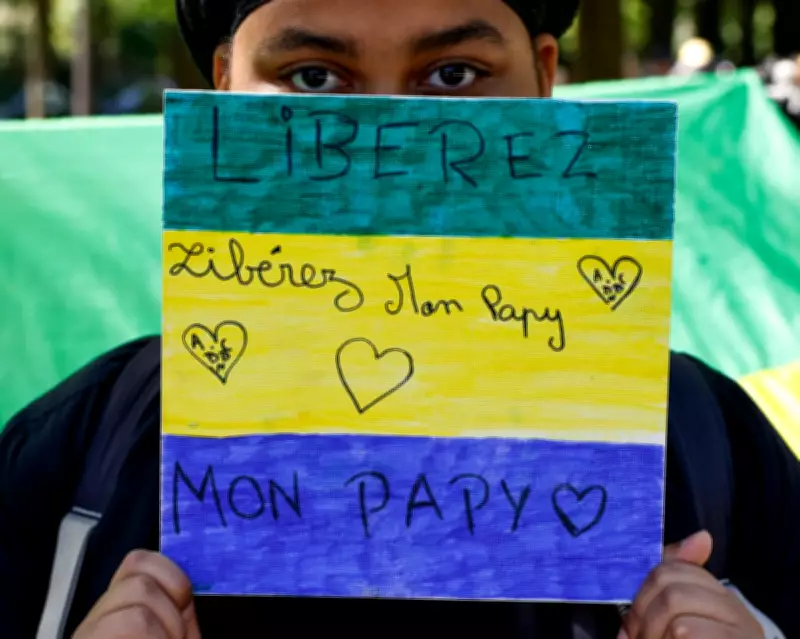
Gabon's media regulator indefinitely suspended major social media platforms in February, citing security concerns during anti-government protests. The move sparked widespread backlash, with activists and opposition figures decrying it as a violation of fundamental rights.
VPN Use Surges Amid Restrictions
Within weeks of the announcement, the use of Virtual Private Networks (VPNs) to bypass the restrictions surged across the central African country. However, gendarmerie began stopping young men at road checkpoints in Libreville and other urban centers to confiscate mobile phones with VPNs installed or detain the owners. Warnings spread by word of mouth, while activists and opposition members reported their accounts were suspended due to state officials' efforts.
Background of Protests
Social media had been instrumental in helping citizens convene and stay informed since December, when workers in the education and health sectors protested over pay and the cost of living crisis. The government cited misinformation, disinformation, pornographic content, and incitement to hatred as reasons for the shutdown.
Rights Groups Condemn Collective Punishment
Rights groups urged authorities to follow due process to prosecute any offenders rather than impose collective punishment through unconstitutional restrictions on freedom of expression. Felicia Anthonio, campaign manager at the #KeepItOn coalition, said: "This sustained intentional interference with access to essential digital communication platforms in Gabon is a blatant disregard for people's fundamental rights, specifically the freedom of expression and the right to access information."
Nelly Ngabima, a controversial activist also known as Princesse de Souba, said she received threats from Gabonese government officials that they would make her "disappear from social networks." Within a couple of months, her accounts with a combined following of over 300,000 across Facebook, YouTube, and TikTok were suspended. "They create fake accounts and they put our identities on those accounts, then they report us for identity theft," she said. "Today, Gabonese people even struggle to send a WhatsApp message because they are afraid. They do not even go out with their phones."
New Regulations and Legal Challenges
The restrictions were temporarily lifted in April. However, a new regulation passed in February mandates social media users to provide verified names, addresses, and ID numbers. Social networks face fines of 50 million central African CFA francs (£66,000) and prison terms for non-compliance. The law is one of several far-reaching changes to codify a crackdown on dissent, including a controversial new nationality code signed in February and published last month. Critics say the code restricts the rights of naturalised citizens and makes it easier for the state to strip citizens of their nationality.
Government spokesperson Charles Edgard Mombo defended the measures, suggesting that criticism was merely about form rather than substance. He cited article 99 of Gabon's constitution, which mandates parliament to ratify ordinances signed by the president during times of urgency.
Former prime minister and opposition leader Alain-Claude Bilie-By-Nze, who filed a suit challenging the restrictions in a Libreville court, was arrested in April for alleged fraud and breach of trust in an old case from 2008. His supporters say the charges are trumped-up.
History of Crackdowns
Ngabima, a former Gabonese intelligence operative between 2015 and 2019, whose roles included tapping phones and monitoring messages of politicians and the military, warned that her experience revealed the regime's capacity to surveil dissidents. Gabon, an oil-rich nation with a huge youth population, has a third of its population living in deep poverty, and nepotism and corruption are common. The penultimate internet shutdown happened in August 2023, just before a disputed election that Ali Bongo won. The internet was restored four days later, after the military removed Bongo and put him under house arrest.
New Leadership, Old Tactics?
After seizing power in August 2023 to end 56 years of Bongo family rule, General Brice Oligui Nguema presented himself as a different kind of leader. The 2025 presidential election, which he won with more than 90% of the vote, was notably more open to media scrutiny than previous elections under the Bongos, with foreign media allowed to film the ballot count. However, critics say he has long been part of the inner caucus of power, as a Bongo relative and part of the security architecture, and is now using the same draconian copybook as his predecessors, especially their opaque management of the economy.
"Today Gabonese people still die of hunger, have no jobs and struggle to get medical treatment ... all that already existed during Ali Bongo's time," said Ngabima. "In reality, strictly speaking, nothing has changed. You cannot remove Mr Ali Bongo because you condemned certain behaviors and then arrive and reproduce the same. That is not possible."




