
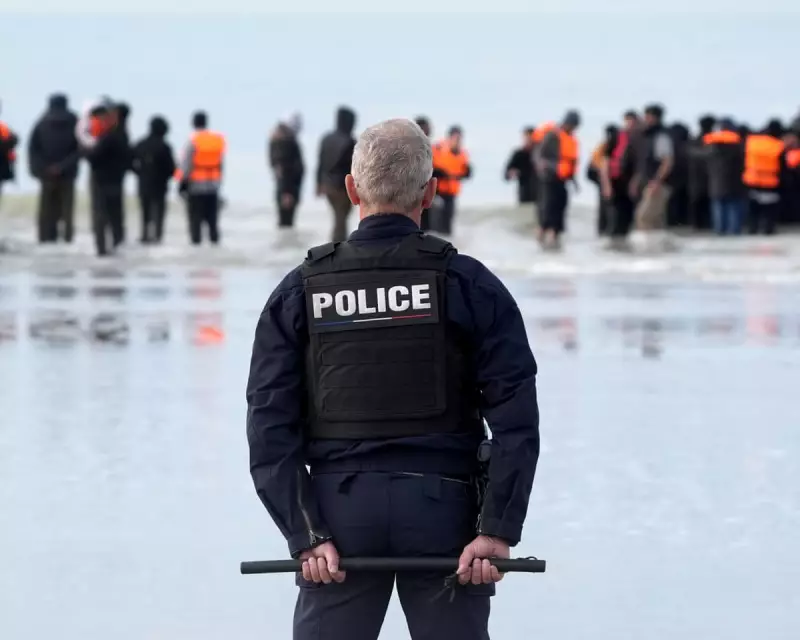
The French government is set to approve controversial new measures that would allow security forces to intercept small boats before they pick up migrants attempting to cross the Channel to the UK, following direct pressure from Prime Minister Keir Starmer.
New Tactics for Channel Interceptions
According to documents seen by French newspaper Le Monde, French security forces will target empty "taxi boats" - large dinghies used to transport migrants - before they collect passengers from beaches. The intervention framework, dated 25th November, represents a significant shift in maritime tactics.
Starmer personally wrote to President Emmanuel Macron urging immediate action, stating that "we currently have no effective deterrent" in the Channel. The Labour leader emphasised the urgency of deploying these tactics within the same month of his correspondence.
Legal Challenges and Safety Concerns
The proposed measures have already drawn strong criticism from refugee support groups. Steve Smith, chief executive of Care4Calais, told The Guardian that his organisation could launch a legal challenge against the plan, arguing it would force desperate people to take even more dangerous journeys.
"This is a dangerous moment that will cost more lives," Smith warned. "Intercepting boats whilst they are in the water has never been done before because, quite frankly, it puts people at risk."
The charity successfully challenged previous attempts by the Conservative government to conduct pushbacks in the Channel and vows similar opposition to the French measures.
Recent Developments and Political Pressure
The Channel crossing issue has become a significant political problem for Starmer's government, with 39,292 people having made the journey so far this year. Tragically, French data shows that 26 people have died during crossing attempts in 2025 alone.
This latest development follows the "one in, one out" deal announced in July, where one person would be allowed to travel legally to the UK to claim asylum in exchange for another irregular arrival being returned to France. The agreement also included provisions for intercepting overcrowded dinghies up to 300 metres from shore.
However, French police have rarely implemented these interventions since August, following objections from police unions about risks to both officers and civilians. The majority of Channel deaths now occur near the coast, primarily from drowning or asphyxiation on overcrowded boats.
UK funding for French maritime security is contingent on Paris demonstrating a tougher approach, with the current funding cycle concluding in March. A UK government spokesperson confirmed: "We continue to work closely with our French partners on the shared challenge of illegal migration, and we have already worked to ensure officers in France review their maritime tactics so they can intervene in the shallow waters."




