
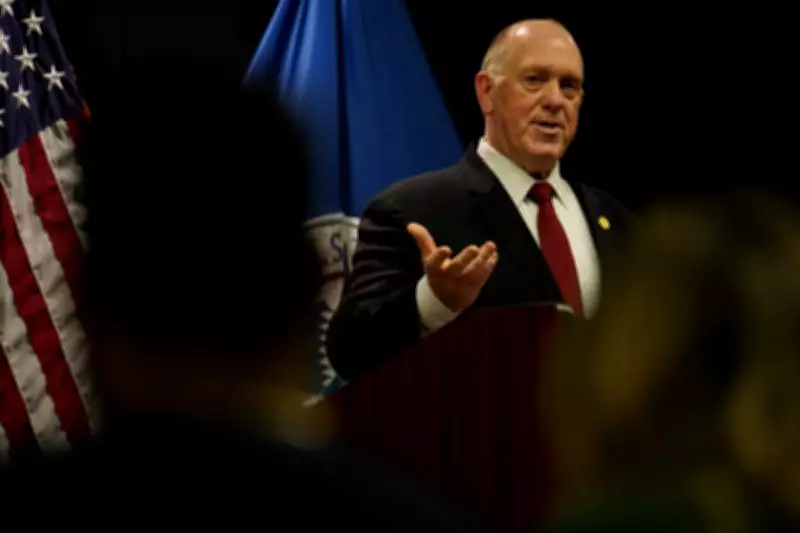
In a significant federal appointment that is set to reshape law enforcement dynamics in the Midwest, Tom Homan, the former acting director of Immigration and Customs Enforcement (ICE), has been named as the new US Marshal for the District of Minnesota. This high-profile role places Homan at the helm of federal law enforcement operations across the state, overseeing critical functions such as fugitive apprehension, witness protection, and prisoner transport.
A Controversial Figure Takes the Helm
Tom Homan's career has been marked by his staunch advocacy for stringent immigration policies during his tenure at ICE from 2017 to 2018. His appointment by the Biden administration, which has generally pursued a more moderate approach to immigration compared to the previous Trump era, has raised eyebrows and ignited a fresh wave of political discourse. Supporters hail Homan as a tough, experienced enforcer who will bolster security, while critics express concerns about potential conflicts with Minnesota's more progressive local policies on immigration and community policing.
Implications for Minnesota's Law Enforcement Landscape
The selection of Homan follows the retirement of Gregory Bovino, who served as the US Marshal for Minnesota and was known for his collaborative efforts with state and local agencies. Bovino's departure created a vacancy that has now been filled by a figure with a national reputation. Homan's background in immigration enforcement is expected to influence priorities within the US Marshals Service in Minnesota, potentially shifting focus towards cross-border crime and immigration-related fugitives.
Minnesota, with its diverse population and urban centres like Minneapolis, faces unique challenges in balancing federal enforcement with community trust. Homan's appointment could test this balance, as his past statements and actions have sometimes been at odds with advocacy groups calling for more compassionate immigration practices. Observers note that his leadership will be closely watched for any changes in operational tactics or public engagement strategies.
Reactions and Future Outlook
Reactions to the appointment have been mixed, reflecting the polarised nature of immigration politics in the United States. Pro-immigration organisations in Minnesota have voiced apprehension, fearing that Homan's approach might lead to increased deportations and strained relations with immigrant communities. Conversely, law-and-order proponents argue that his expertise will enhance public safety and streamline federal operations in the region.
As Tom Homan assumes his new duties, the broader implications for federal-state cooperation in Minnesota remain uncertain. His tenure will likely be scrutinised for its impact on crime rates, interagency collaboration, and the overall enforcement of federal laws. This move underscores the ongoing national debate over immigration enforcement and the role of federal appointees in shaping local law enforcement agendas.




