
EU Implements Strict Visa Restrictions for Russian Nationals
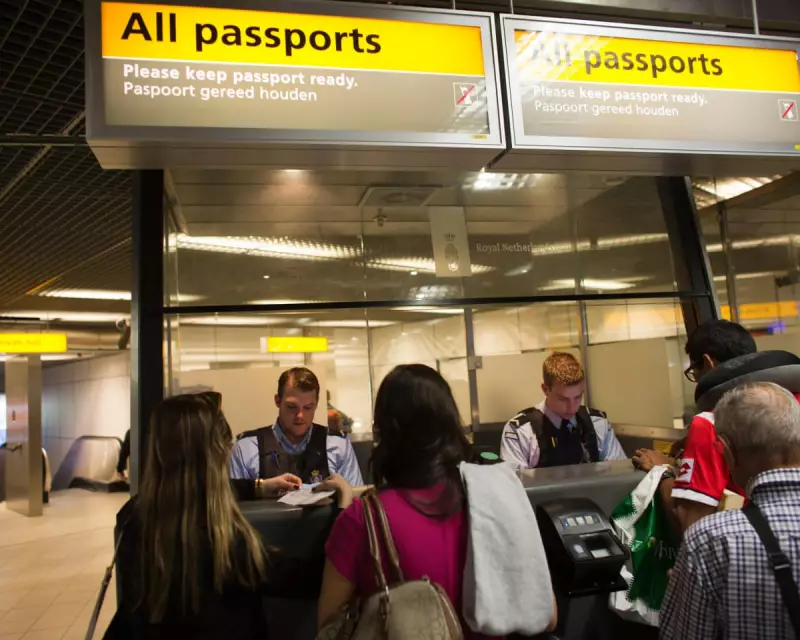
The European Union has implemented a significant ban on multi-entry visas for Russian citizens entering the Schengen zone, a decision announced last Friday by EU foreign policy chief Kaja Kallas. The tightened regulations come as a direct response to increasing security concerns, including Russian drone incursions into European airspace and sabotage attacks linked to Russia.
"Starting a war and expecting to move freely in Europe is hard to justify," stated Kallas when revealing the new measures. The rules are already in effect across the Schengen free movement area, marking a substantial shift in EU-Russia travel policy.
Russian Opposition Voices Strong Criticism
Prominent figures within the Russian opposition have expressed anger and disappointment at the EU's decision, arguing it will prove counterproductive. Ilya Yashin, a Russian opposition politician jailed in late 2022 for opposing the war in Ukraine and now living in Germany after a prisoner exchange, voiced his concerns in a telephone interview.
"You can't blame a whole country for the actions of its government," Yashin argued, suggesting the move represents a trend of targeting ordinary Russians with restrictions while members of Putin's elite would "always find loopholes if they need to."
The exiled journalist Sergey Parkhomenko echoed these sentiments, describing the visa decision as "extraordinary in its idiocy, ineffectiveness and demonstrative helplessness." He characterised it as a sign of European elites wanting to appear active without knowing what measures would actually prove effective.
Practical Implications and Limited Exceptions
The new restrictions come atop existing difficulties Russians face obtaining Schengen visas, with countries including Poland and Finland having already banned entry to Russian nationals without residence permits. Many Russian exiles have additionally encountered closed or frozen European bank accounts in recent months.
According to sources in Moscow, even Hungary - considered the friendliest country toward Russia within the Schengen zone - has stopped issuing multi-entry visas this week. Italy, a favoured holiday destination for wealthy Russians, confirmed through a foreign ministry spokesperson that Rome would abide by the EU policy.
The EU has outlined limited exceptions to the rule for those with close relatives living in exile, human rights activists, or independent journalists. However, opposition figures have dismissed this provision as potentially dangerous, since Russian authorities would automatically classify anyone holding a multi-entry Schengen visa as an enemy of the Putin regime.
Elena Kostyuchenko, an award-winning Russian journalist living in exile, explained that the new rule would significantly hinder opposition media outlets that rely on colleagues working anonymously within Russia for firsthand reporting. "A multi-entry visa makes it possible to meet in person and coordinate with editorial teams in safe countries," she noted.
Diverging Perspectives on Collective Responsibility
The decision has revealed starkly different perspectives on whether Russians should bear collective responsibility for the war in Ukraine. Many Ukrainians and some European politicians support the stricter measures, particularly as Russian hybrid activities in Europe intensify.
"Travelling to the EU is a privilege, not a given," emphasised Kallas. Andriy Yermak, Ukrainian president's chief of staff, welcomed the decision, stating: "For the safety of their own citizens, all democratic countries should adopt much stricter rules for admitting Russian citizens to their territory, and this should have been done much earlier."
Toomas Hendrik Ilves, former president of Estonia, took to social media platform X to suggest that Russians protesting the decision appeared more angered by visa denials than by war crimes committed in Ukraine. When challenged about Russians receiving eight-year sentences for discussing the war honestly, Ilves dismissed the claim, writing: "I doubt anyone got 8 yrs for social media posts about Bucha. But we're used to lies."
Yashin, who was sentenced to eight-and-a-half years in jail in 2022 for social media posts detailing Russian war crimes in Bucha, expressed disbelief at Ilves's statement. He acknowledged that Ukrainians have valid reasons to criticise Russians for insufficient efforts to change their country's political situation, but questioned the moral standing of those making such criticisms from safety.
"If someone is sitting in a trench and risking their life every day then I think they have the moral right to accuse someone else of cowardice, but if you are sitting in a warm office, in safety, do you have that moral right? I'm not sure," Yashin reflected.




