
Council Loses Legal Battle Over Asylum Seeker Accommodation
A High Court judge has ruled that asylum seekers can continue to be housed at The Bell Hotel in Epping, Essex, dealing a significant blow to local council efforts to stop the accommodation arrangements.
Epping Forest District Council had sought an injunction to block the housing of asylum seekers at the hotel, claiming the arrangements breached planning regulations. However, Justice Mould dismissed the council's application, stating they had failed to provide sufficient evidence to support their case.
Legal Arguments and Court Findings
Lawyers representing the council argued that housing asylum seekers at the hotel represented a material change of use and had led to increasingly regular protests in the area. The Home Office intervened in the proceedings, describing the council's bid as misconceived.
In his ruling delivered on Tuesday, Justice Mould stated: I have not been persuaded that an injunction is a commensurate response to that postulated breach of planning control.
The judge particularly criticised the council's claims about asylum seekers and criminal behaviour, noting the complete absence of statistical evidence comparing crime rates between asylum seekers and the settled population.
Political Fallout and Local Reaction
The decision has already sparked significant political controversy, with Conservative Shadow Home Secretary Chris Philp describing it as a dark day for local democracy and a slap in the face to the people of Epping.
Mr Philp accused the Labour government of putting the rights of illegal immigrants above the rights of British citizens and claimed that Home Office lawyers had fought tooth and nail to keep this hotel open.
This represents the second legal setback for the council, which had previously obtained a temporary injunction earlier this year that would have stopped 138 asylum seekers being housed at the hotel beyond September 12th. However, the Court of Appeal later found that decision to be seriously flawed in principle.
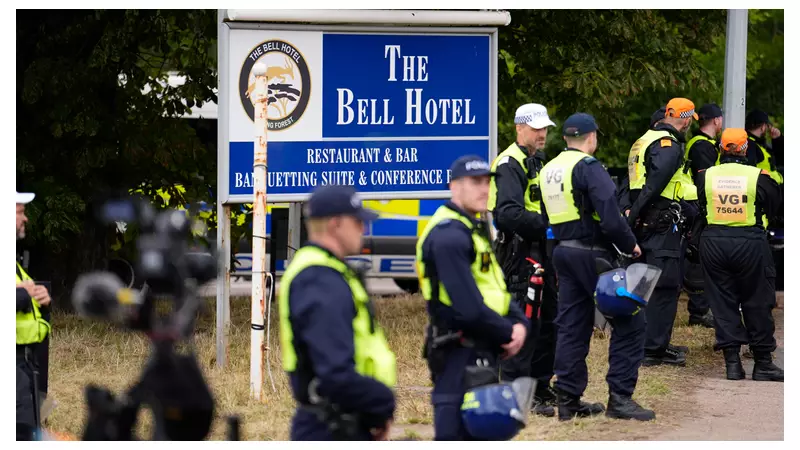
The ruling comes amid ongoing protests outside the Essex hotel, with police presence noted during demonstrations. The case highlights the continuing tensions between local authorities and central government over asylum accommodation policies across the UK.




