
Minneapolis Court Considers Constitutionality of Trump's ICE Agent Deployment
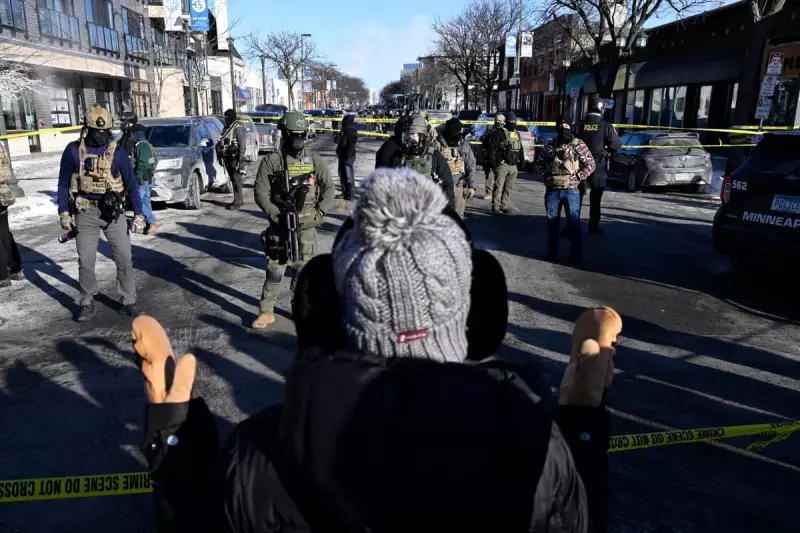
A federal court in Minneapolis is currently hearing pivotal arguments regarding whether the Trump administration's deployment of 3,000 Immigration and Customs Enforcement (ICE) agents to Minnesota constitutes an unconstitutional occupation of the state. The case, which began on Monday, centres on the 10th Amendment of the US Constitution, which reserves powers not explicitly granted to the federal government to the states.
Legal Challenge and State Allegations
Lawyers representing Minnesota, along with the cities of Minneapolis and St Paul, have filed a lawsuit asserting that Operation Metro Surge has become excessively intrusive and dangerous. They argue that this federal action effectively amounts to an illegal occupation, terrorising residents, jeopardising public safety, and hindering local officials from performing essential duties such as policing neighbourhoods and maintaining school operations.
The plaintiffs are urging US District Judge Kate Menendez, who was appointed by President Biden, to issue an immediate halt to the operation. Their legal filing emphasises that the surge is not about legitimate immigration enforcement but is instead driven by a desire to punish political opponents and score partisan points.
Recent Incidents Adding Urgency
The case has gained significant urgency following the fatal shooting of Alex Pretti, a Minneapolis nurse and US citizen, on Saturday. Pretti was killed by federal agents while apparently filming an immigration operation, marking the third shooting involving federal agents this month. This incident follows the earlier fatal shooting of Renee Good, which initially prompted the lawsuit.
Videos verified by the Guardian contradict the Department of Homeland Security's account of Pretti's death. While the administration claims Pretti endangered agents and engaged in domestic terrorism, noting he possessed a gun he was licensed to carry, eyewitness statements filed in court present a starkly different narrative.
Eyewitness Accounts and Contradictions
One witness provided a sworn statement describing how Pretti was helping direct traffic and filming the operation when an agent shoved another observer to the ground and pepper-sprayed both individuals. When Pretti attempted to assist the woman who had been knocked down, agents pulled him to the ground as well.
The witness recounted, "Four or five agents had him on the ground and they just started shooting him. They shot him so many times," adding that Pretti was seen holding a cellphone, not a gun. The statement concluded, "I have read the statement from DHS about what happened and it is wrong."
Legal Precedents and Government Response
This legal battle enters largely uncharted territory, as Judge Menendez has noted there is limited precedent for states challenging federal law enforcement on 10th Amendment grounds. However, Illinois has filed a similar lawsuit seeking to block immigration enforcement without express congressional authorisation, suggesting a growing trend of state-level resistance.
In response, Trump administration lawyers have dismissed the claims as lacking "a shred of legal support." They defend Operation Metro Surge as lawful enforcement of immigration laws that has resulted in arrests of individuals convicted of serious crimes. Government lawyers stated, "President Trump campaigned and won election on a promise to enforce immigration laws enacted by Congress. For the last year, DHS has delivered on that promise."
State's Plea for Judicial Intervention
In a letter filed hours after Saturday's shooting, state and city lawyers emphasised the gravity of the situation, writing, "This cannot continue. We need the court to act to stop this surge before yet another resident dies because of Operation Metro Surge." The lawsuit does not seek an end to all immigration enforcement in Minnesota but requests a return to pre-surge staffing levels and restrictions on how remaining agents operate.
As the court proceedings continue, the outcome could set a significant legal precedent regarding the balance of power between federal and state authorities in immigration enforcement matters.




