
US Judge Grants Asylum to Chinese National Who Documented Xinjiang Abuses
A United States immigration judge has granted asylum to a Chinese national who secretly filmed detention facilities in Xinjiang, providing crucial evidence of alleged human rights abuses against Uyghur minorities. Guan Heng, who arrived in the US illegally in 2021, successfully argued he faced a "well-founded fear" of persecution if returned to China.
Legal Battle and Detention
Guan applied for asylum after being swept up in an immigration enforcement operation in August last year, part of a mass deportation campaign under the Trump administration. He has been in custody for approximately five months. The Department of Homeland Security initially sought to deport him to Uganda but abandoned the plan in December following public outcry and congressional attention.
Judge Charles Ouslander, presiding over the hearing in Napanoch, New York, found Guan to be a credible witness and established his legal eligibility for asylum. However, Guan was not immediately released as the DHS lawyer reserved the right to appeal, with a 30-day window to decide.
Filming and Escape from China
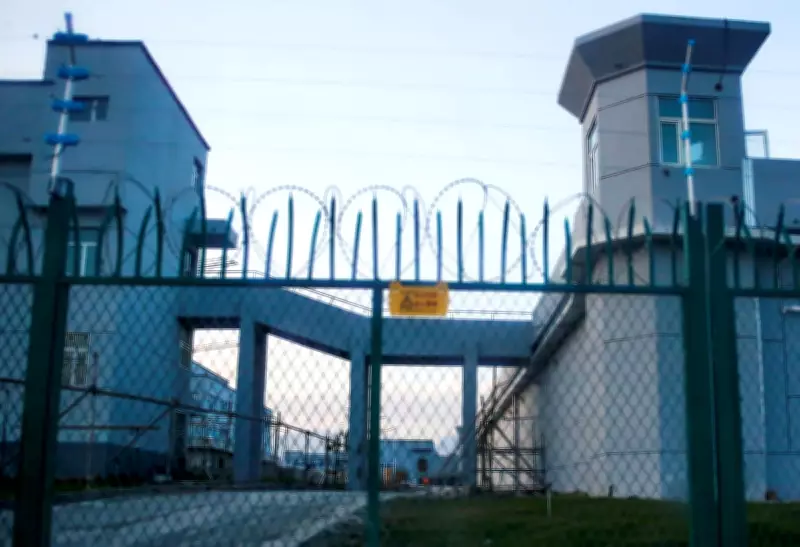
In 2020, Guan covertly filmed what China officially terms "vocational skills education centres" in Dabancheng, Xinjiang. His footage adds to mounting evidence that activists say documents widespread rights abuses, including the detention of up to a million ethnic minorities, primarily Uyghurs.
Guan testified via video link from the Broome County correctional facility, stating through a translator, "I sympathised with the Uyghurs who were persecuted." He denied filming with the intention of seeking asylum, explaining his primary goal was to expose the injustices.
Knowing he could not publish the footage safely in China, Guan fled first to Hong Kong, then to Ecuador—where Chinese tourists could travel visa-free—and onward to the Bahamas. He released most of his video on YouTube before undertaking a perilous boat journey to Florida in October 2021, unsure if he would survive the trip.
Retaliation and Government Denials
After the video's release, Chinese police questioned Guan's father three times, inquiring about Guan's whereabouts and past activities. Judge Ouslander cited this retaliation as a key reason for granting asylum, noting the legitimate fear of harm if Guan were repatriated.
The Chinese government has consistently denied allegations of rights abuses in Xinjiang, asserting that the centres are vocational training programmes aimed at teaching employable skills and countering radicalisation. Dissenting views have been suppressed through coercive measures.
Broader Context and Legal Significance
Guan's case represents a rare asylum success under the current US administration, with approval rates plummeting from 28% between 2010 and 2024 to just 10% in 2025, according to data from non-profit Mobile Pathways. His lawyer, Chen Chuangchuang, hailed the ruling as a "textbook example of why asylum should exist," emphasising the US's moral and legal responsibilities.
This decision underscores ongoing tensions in US-China relations, particularly regarding human rights and immigration policies, while spotlighting the plight of those risking everything to document abuses in Xinjiang.




