
Migrant carer sacrifices vital support over settlement fears
A low-paid carer from Ghana has made the heartbreaking decision to cancel all her family's benefits, including her autistic daughter's disability allowance, due to fears about her immigration status following recent policy changes announced by the Home Secretary.
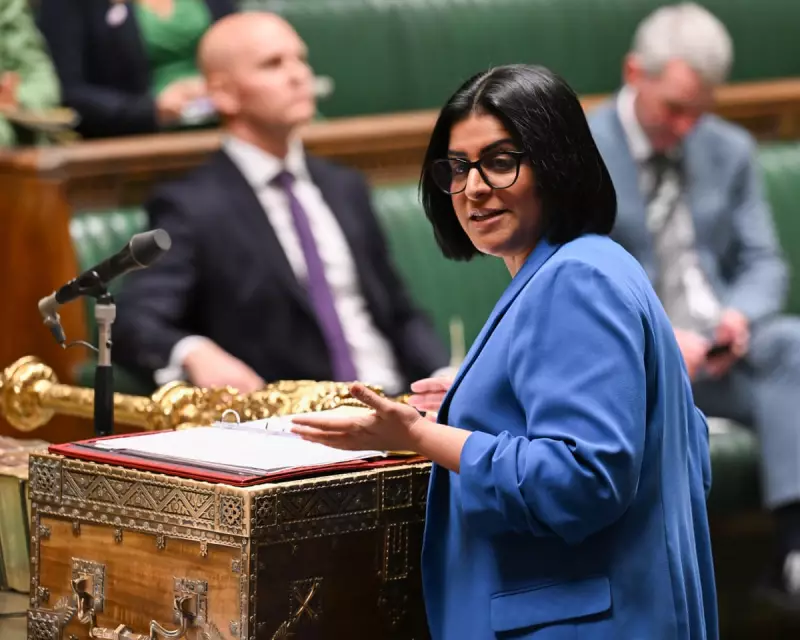
The radical overhaul of legal migration rules revealed by Shabana Mahmood on 20 November will penalise individuals living and working legally in the UK who claim state benefits. This represents one of the first documented cases where someone has taken such drastic action since the announcement.
The impossible choice facing migrant families
The woman, who has three children and works as a carer, has formally requested officials to stop all her in-work benefits. These include housing benefit and universal credit that she receives due to her low income, along with the £103.10 weekly disability living allowance for her eight-year-old autistic daughter, which helps with personal care and mobility needs.
Under previous rules, many migrants could apply for indefinite leave to remain after completing five years in the UK. However, the government's new proposals have dramatically extended this timeframe for many applicants.
This carer falls under what's known as the "10-year route", where individuals must pay thousands of pounds to renew their temporary leave every 30 months for a decade before becoming eligible for permanent settlement. The proposed changes would extend this period to an astonishing 20 years.
Extended waiting periods and benefit restrictions
The government has also proposed that migrants who have accessed benefits for more than twelve months will face a 20-year waiting period before they can apply for settlement, a significant increase from the current five years under certain visa routes.
The carer, who has completed nine of her required ten years, explained that lawyers within her community have been circulating TikTok videos warning people about how benefit claims could severely impact their eligibility for indefinite leave to remain.
"I heard about these changes and decided to cancel all my benefits," she revealed. "The only way I will be able to manage to pay my rent and feed my children is if I increase my working hours as a carer to 60 hours per week. Some weeks I'm already working 50 hours, but I need to increase my hours now."
She described the physical and emotional toll of her situation: "My daughter, who is autistic, does not sleep much so I am constantly exhausted. My body is in so much pain. I need to try to get some medication from the doctor to deal with this pain so that I will be able to work the extra hours."
Charity warns of widespread discrimination
Nick Beales, head of campaigning at the charity Ramfel (Refugee and Migrant Forum of Essex and London), which supports the woman, condemned the government's proposals.
"The government's 'earned settlement' plans clearly discriminate against south Asian, African and Caribbean migrants, who make up the vast majority of people on the existing 10-year route to settlement," Beales stated. "The intersection between classism and racism is clear, with the government making clear that they consider lower-paid work as less valuable and worthwhile."
He emphasised that her situation is not unique: "People such as this woman now face a stark choice: continue receiving essential state support issued to her disabled child and lock herself out of permanent immigration status or sacrifice that support to her child's detriment in the hope that she will still eventually secure permanent status. Her case is not an isolated incident."
The carer explained she only began claiming in-work benefits following advice from her daughter's school. "The teachers said I should work fewer hours so I could spend more time with my children. I've stopped the benefits, even though I need them because I'm so scared I will not be able to get my settlement in the UK."
She expressed her frustration at the situation: "It feels so unfair that I accessed benefits because I'm on a low wage and now that is being used against me. It was a difficult decision to ask for my benefits to be stopped, especially my daughter's DLA, but I didn't know what else I could do. I don't have a voice."
A government spokesperson responded: "As the home secretary has set out, under our proposed new settlement model, individuals will have the opportunity to reduce the qualifying period to settlement and citizenship based on contributions to the UK economy and society. We have launched the consultation and encourage overseas workers to take part."




