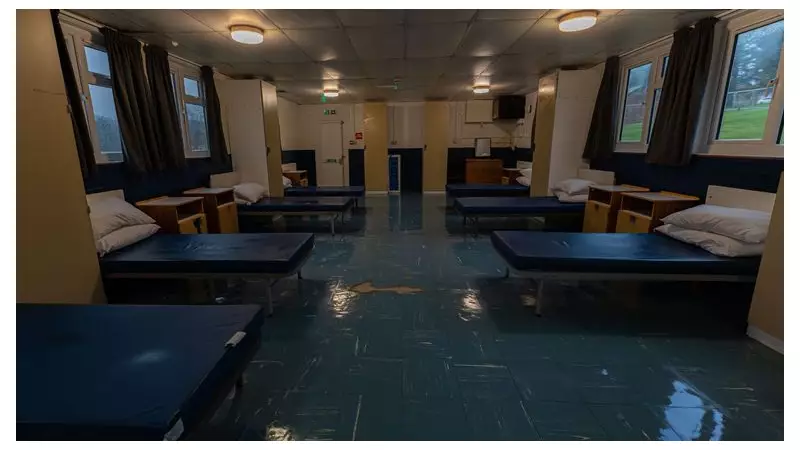
Asylum Seekers Relocated to Crowborough Army Camp Amid Local Opposition
The Home Office has confirmed that twenty-seven single male asylum seekers have been moved into Crowborough Army Camp in East Sussex, despite significant opposition from the local council and community. This military training camp is set to eventually accommodate more than five hundred migrants for periods of up to three months at a time while their asylum claims are processed.
Government Decision Overrides Council Objections
Wealden District Council leader James Partridge expressed frustration after a meeting with border security and asylum minister Alex Norris on Wednesday evening. "The minister hasn't listened to any of this," Mr Partridge stated in a social media video, revealing that he was informed of the decision just an hour after being told no final determination had been made. The council has lodged a strong objection to the use of the camp for asylum accommodation.
Local residents have been protesting regularly since the proposal was first announced in October, citing concerns about safety and security. The government's plan to utilise the camp forms part of its broader strategy to phase out asylum hotels by the end of the current parliament in 2029.

Legal Challenges and Community Response
In response to the Home Office's decision, Wealden District Council has instructed its legal team to explore potential avenues for a legal challenge. Concurrently, a resident-led crowdfunding campaign has successfully raised £93,000, surpassing its £90,000 target, to support legal action against the move.
"We know this legal challenge is a long shot, but we've been probing the Home Office throughout the process to see if we can find a way to bring a successful legal action," Mr Partridge added. He urged the local community to come together and find ways to adapt to the situation, drawing parallels to previous efforts to welcome Afghan and Ukrainian refugees.
Mr Partridge acknowledged the emotional impact on residents, noting, "We know a lot of people will be angry, frightened and worried." He called on the community to take responsibility for ensuring the area remains safe and secure during this period of change.
Broader Implications for Asylum Policy
The relocation of asylum seekers to Crowborough Army Camp highlights ongoing tensions between national immigration policies and local governance. The Home Office's move underscores its commitment to reducing reliance on hotel accommodations, but it has sparked debate about the suitability of military facilities for housing vulnerable individuals.
As the situation develops, further updates are expected regarding the camp's operation and any legal proceedings initiated by the council or local residents. The community's response will likely influence future discussions on asylum accommodation strategies across the United Kingdom.