
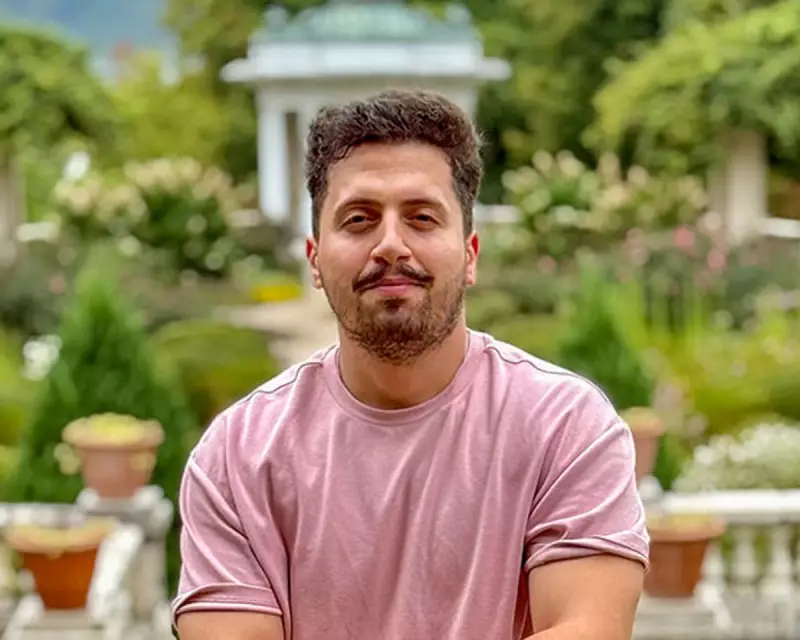
The detention of an Afghan refugee and university student in the United States, following a routine asylum interview, has sparked outrage and raised profound questions about the direction of American immigration policy. The case of Ali Faqirzada, a computer science student at Bard College in New York, underscores the human impact of sweeping new restrictions.
From Helping Allies to Immigration Detention
Ali Faqirzada arrived at a federal immigration office on Long Island on 14 October for an interview regarding his application for political asylum. By all accounts, he was a strong candidate. In Afghanistan, he had worked on projects with the American government and NATO aimed at improving education and opportunities for Afghan women.
Following the chaotic US withdrawal in 2021, the ministry where he, his mother, and sister worked was bombed by the Taliban, and a colleague was murdered. Fearing for their lives, the family fled to Mexico and then to the United States, where they immediately sought refugee status. Six of his family members have already been granted asylum, having successfully argued that return to Taliban rule would be a death sentence.
A Promising Life in America, Interrupted
In New York, Faqirzada built a new life. Described by Bard College officials as a brilliant and community-minded student, he also worked as a hospital security guard—a position of significant trust. Supporters, including Bard President Leon Botstein (himself a refugee), New York Governor Kathy Hochul, and Congressman Pat Ryan, argue he embodies the positive contributions refugees make.
Yet, immediately after his October interview, where he established a "credible fear" of returning to Afghanistan, he was arrested by Immigration and Customs Enforcement (ICE) agents. He was transferred to the for-profit Delaney Hall detention facility in Newark, New Jersey, operated by the GEO Group, where he remains.
A Policy Backdrop of Restriction and Fear
Faqirzada's detention is set against a backdrop of rapidly tightening US immigration rules. A government ruling on 29 November paused final approvals for all asylum applications. This followed the temporary cessation of the US Refugee Admissions Program on 20 January and a specific pause on new immigration from Afghanistan, including green cards for Afghans already in the US.
These drastic measures were enacted after a tragic shooting in Washington DC, where two National Guard soldiers were attacked, one fatally, by an Afghan national whose asylum claim had been vetted and approved. Critics argue that penalising an entire community, and individuals like Faqirzada, for one person's crime is a failure of both compassion and common sense.
With asylum decisions made by the Department of Homeland Security rather than the judiciary, the Trump administration has significantly curtailed refugee flows. Faqirzada's case leaves urgent, unanswered questions: how long will he be held, and how will the new rules affect his claim? But it also prompts a broader, more distressing national question: How did America let this happen—and what can be done about it now?




