
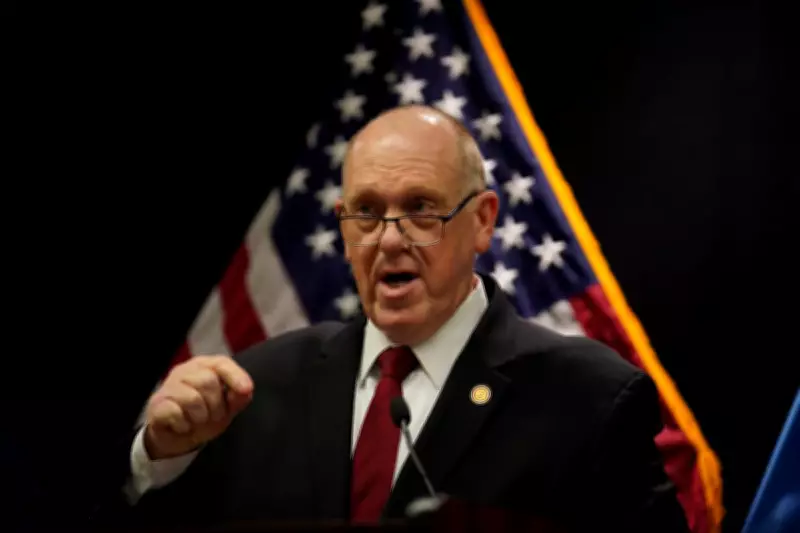
In a significant development regarding federal immigration enforcement in the United States, Tom Homan, the White House border czar, has announced that approximately 700 federal agents will be departing from Minnesota. This move represents a substantial decrease in the number of agents deployed on the ground, yet it will still leave an estimated 2,000 agents in the state, a figure that remains considerably higher than the typical operational levels historically seen in Minnesota.
Background and Context of the Reduction
The decision to withdraw these agents comes amid ongoing negotiations between county jails and federal officials over enhanced coordination efforts. While specific details regarding which counties have agreed to participate in these arrangements are not entirely clear, the discussions focus on improving the interface between local law enforcement and immigration authorities.
According to reports from the Minnesota Star Tribune, sheriffs in Minnesota are currently engaged in talks with Homan to formulate a plan that would involve county jails detaining immigrants for up to 48 hours beyond their scheduled release dates from state custody. Homan has emphasised that any such agreements would not result in individuals being held for periods exceeding their predetermined sentences, aiming to balance enforcement with legal safeguards.
Operational Shifts and Local Implications
Under the proposed framework, sheriffs who opt to participate would be required to notify immigration enforcement agents prior to the release of individuals from custody. This pre-notification system would enable agents to collect persons directly from jail facilities, thereby reducing the reliance on street operations that typically demand a larger contingent of agents. Homan highlighted that this approach could streamline enforcement activities and potentially enhance efficiency in managing immigration cases.
At a press conference held on Tuesday, Minnesota Governor Tim Walz disclosed that he had met with Homan earlier that day. Walz expressed his expectation that Homan would proceed with drawing down the number of agents in the state and would grant Minnesota the authority to investigate the killings of two US citizens by federal agents. The governor articulated a desire to see a return to lower agent numbers, specifically referencing the baseline of about 100 to 150 agents who regularly work in the state, focusing primarily on individuals with violent convictions.
Political Dynamics and Future Prospects
Governor Walz suggested that the federal government's decision is not indicative of a change in policy stance but rather a recognition of political pressures. He remarked, "I don't see how they continue on with this in any way that makes any sense, both politically and operationally for them." Despite this assessment, Walz stressed the importance of tangible outcomes over mere rhetoric, stating, "None of this matters unless there's proof on the ground." This underscores a broader call for accountability and visible results in immigration enforcement strategies.
The reduction in federal agents marks a pivotal moment in the ongoing dialogue between state and federal authorities regarding immigration policies. As Minnesota navigates these changes, the focus remains on achieving a balance between effective enforcement and respecting the rights and safety of all residents. The outcome of these negotiations and the implementation of new coordination measures will likely have lasting implications for the state's approach to immigration matters.




