
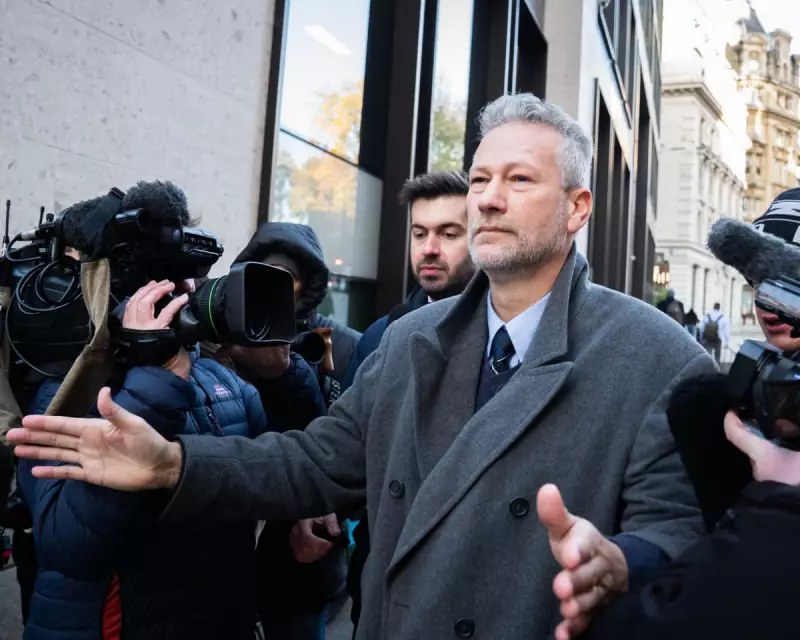
The UK government has been forced to confront the vulnerability of its political system to foreign interference, launching an urgent independent review. This move follows the high-profile conviction of Nathan Gill, the former leader of Reform UK in Wales, who was jailed for 10 years for accepting bribes to make pro-Russia speeches in parliament.
A System Under Scrutiny: Loopholes and "Dark Money"
Steve Reed, the cabinet minister responsible for elections, has admitted serious concerns that Britain's "firewall" against foreign meddling may be insufficient. This admission validates long-standing warnings from transparency campaigners about the UK's porous political financing rules.
Experts point to multiple avenues for so-called "dark money" – funds from unclear sources – to enter the system. These include donations through unincorporated associations, UK companies without scrutiny of their backers, and the recent embrace of hard-to-trace cryptocurrency donations by parties like Reform UK. Furthermore, UK nationals living abroad can still donate, complicating source verification.
A Weakened Watchdog and the Path to Reform
A critical weakness identified is the weakened state of the Electoral Commission. Its powers were severely curtailed in 2022 under the previous Conservative government, stripping it of the ability to initiate its own criminal investigations. Parties are now largely left to police their own donations with limited resources.
The new Labour government under Keir Starmer has signalled a willingness to act. Proposed measures in a forthcoming elections bill could close some loopholes, but advocates argue for more radical steps: lowering donation declaration thresholds, imposing overall caps, and most importantly, re-empowering the Electoral Commission to robustly oversee the process.
The Stakes for British Democracy
Rose Zussman of Transparency International UK warns that the current setup makes parties "ever more reliant on a small pool of wealthy donors," while Tom Brake of Unlock Democracy highlights the ongoing risk from foreign billionaires using UK companies as conduits.
While the review is partly politically motivated by Reform UK's links to the Russian bribery case, the underlying threat is undeniable. The test for the government will be whether it has the political courage to implement deep, lasting reforms that go beyond easy fixes and truly safeguard the integrity of British democracy from foreign and malign financial influence.




