
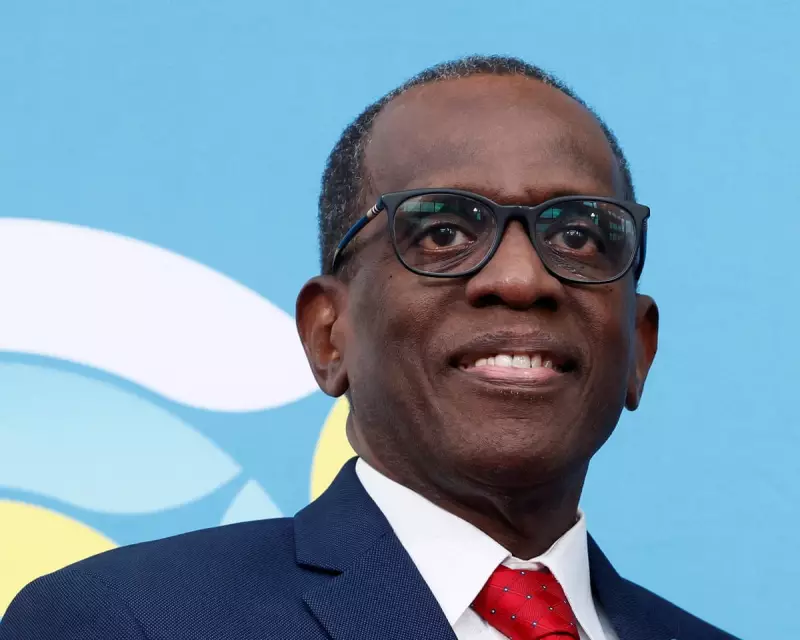
Prime Minister Philip Pierre of Saint Lucia is set to continue his leadership after his Saint Lucia Labour Party (SLP) secured a decisive victory in the island nation's general election, maintaining its parliamentary majority.
Election Results Confirm Labour's Hold on Power
Official results released on Tuesday confirmed the social democratic SLP has won at least 13 of the 17 seats in the House of Assembly. This matches the party's existing majority, with just two constituencies remaining to be formally declared. In the popular vote, Prime Minister Pierre garnered a commanding 57.1%, significantly ahead of his main rival, former Prime Minister Allen Chastanet of the United Workers Party (UWP), who secured 37.3%.
The conservative UWP, which held only two seats prior to Monday's poll, had managed to secure just one seat as of late Monday evening. This outcome solidifies Pierre's mandate and paves the way for his reelection as the head of government for the Caribbean nation of approximately 180,000 people.
Campaign Battleground: Crime, Economy, and Passport Sales
The election campaign was dominated by key issues affecting the island. Prime Minister Pierre campaigned on a platform of stability and cautious economic management, seeking to reassure voters of his government's steady hand.
His opponent, Allen Chastanet, who served as prime minister before Pierre, focused heavily on national security. He argued that violent crime had worsened under Pierre's administration, partly attributing this to reduced US support for local police. This support was reportedly restricted under the US Leahy Law due to past human rights concerns.
Chastanet also called for greater transparency and auditing of the country's Citizenship-by-Investment (CBI) programme. These schemes, which allow wealthy individuals to obtain passports in return for significant investment, are a vital source of revenue for several Eastern Caribbean states. However, they have caused diplomatic friction, with the US government warning they can be exploited by "nefarious actors" from nations like China or Iran.
Regional Context and Wider Implications
The election in Saint Lucia follows closely on the heels of a political upset in neighbouring St Vincent and the Grenadines, where the opposition ousted Prime Minister Ralph Gonsalves after 24 years in power just days earlier.
Furthermore, the vote occurs against a backdrop of heightened US military activity in the Caribbean region. Washington states this buildup is aimed at curbing drug trafficking around Venezuela. Notably, authorities in the Dominican Republic and Trinidad and Tobago have permitted US vessels to dock in their territories, highlighting the complex geopolitical landscape of the area.
The result ensures continuity in Saint Lucia's governance, with Philip Pierre positioned to continue his policies. The focus will now turn to how his government addresses the persistent challenges of economic stability, public safety, and managing the lucrative but controversial CBI programme amidst ongoing international scrutiny.




