
Peruvians Head to Polls Seeking Stability After Decade of Political Chaos
Peruvians will cast their votes on Sunday in a pivotal election that many hope will finally break a devastating cycle of political instability that has produced nine presidents in just ten years. The nation faces overwhelming challenges including surging violent crime, widespread corruption scandals, and profound distrust in institutions and politicians.
Record-Breaking Ballot and Voter Concerns
Approximately 27 million eligible voters must navigate the longest ballot in Peruvian history, measuring nearly half a meter, featuring an unprecedented 35 presidential candidates alongside contenders for the bicameral congress. The fight against crime tops voter concerns as the country grapples with record homicide and extortion rates, while political corruption remains a close second priority. Four former presidents currently sit in jail, most linked to bribery cases involving the Brazilian construction giant Odebrecht.
Leading Candidates in Unpredictable Race
Keiko Fujimori, daughter of the late president Alberto Fujimori, holds a narrow lead in opinion polls as she makes her fourth presidential bid. The 50-year-old rightwinger, who served as first lady during her father's autocratic 1990s government, has reached the runoff in the last three elections but lost each time by extremely narrow margins.
Close behind Fujimori are comedian Carlos Álvarez and two former Lima mayors: ultra-conservative Rafael López Aliaga and media mogul Ricardo Belmont. None of the candidates polls above 15%, making a runoff on June 7 almost certain according to polling experts.
Diverse Field Reflects Political Fragmentation
Ricardo Belmont, the 80-year-old former Lima mayor from 1990-1995, has risen in polls by winning younger voters with his upbeat messaging and slogan "hugs not bullets," borrowed from former Mexican leader Andrés Manuel López Obrador. Political analysts describe Belmont as an "anti-establishment candidate catching votes from the right, left and center," though he's also known for making xenophobic and sexist remarks.
Rafael López Aliaga, who served as Lima's mayor until recently, has run a hard-right campaign filled with disinformation, hate speech, and threats against journalists and opponents. The 65-year-old rail magnate has opposed same-sex marriage and pledged to refuse abortion to underage rape victims, though his support has slipped in recent polls.
Carlos Álvarez, one of Peru's best-known comedians who has imitated presidents for three decades, presents surprisingly serious proposals. He describes himself as an admirer of Donald Trump and El Salvador's Nayib Bukele, focusing his tough-on-crime campaign on building megaprisons and implementing the death penalty.
Additional Contenders and Political Context
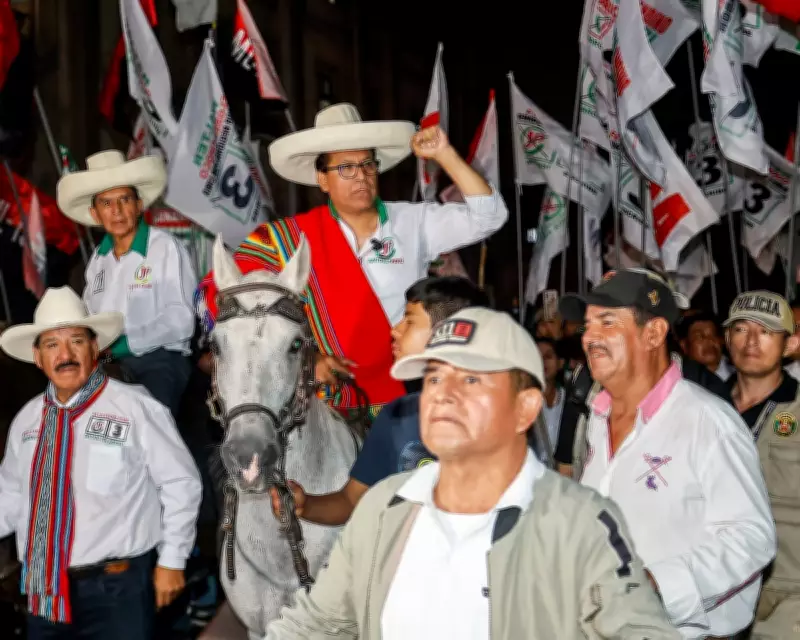
Other notable candidates include Roberto Sánchez, endorsed by ousted former populist leader Pedro Castillo and recognizable by his wide-brimmed sombrero. Centrist options include former defense minister Jorge Nieto and former university rector Alfonso López Chau.
Political analyst Gonzalo Banda, a doctoral researcher at University College London's Institute of the Americas, noted the irony that "due to this cycle of political decay in Peru, we could end up with a comedy performer who imitates politicians as president."
Pollster Urpi Torrado of Datum Internacional emphasized that "this is one of the most unpredictable elections on record" and that "no political leader has emerged who can generate a sense of hope or a feeling that this person could change the country's political course." She added that "Peruvians feel that in recent years, politicians have turned their backs on the people," explaining why surprises could emerge in Sunday's voting.
The election represents a critical juncture for a nation desperate for stability and effective leadership after a decade of political turmoil that has eroded public trust and hampered national progress.




