
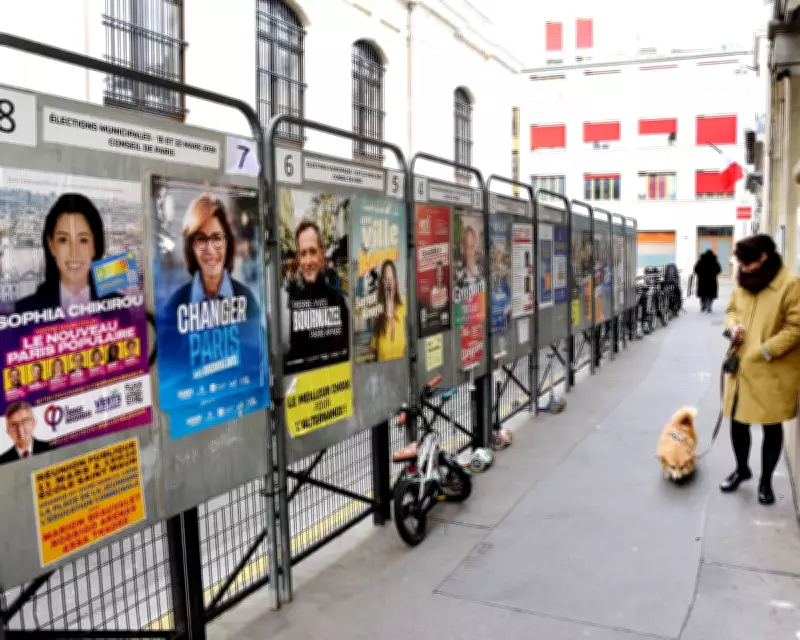
Paris Mayoral Candidates Woo Dog Owners with Canine-Friendly Promises
Dog owners in Paris find themselves at the center of an intense political battle as mayoral candidates roll out a series of canine-friendly policy pledges ahead of Sunday's decisive second-round vote. With more than 100,000 dogs registered in the French capital, candidates recognize that pet-owning voters could swing the tightly contested election.
Electoral Calculations in a Dog-Dense City
Paris stands as one of the world's most densely dog-populated urban centers, with approximately 2,857 canines per square kilometer. This demographic reality has not escaped the leading contenders. In the 2020 city council elections, a mere 57,000 votes separated outgoing Socialist mayor Anne Hidalgo from her closest rival, conservative candidate Rachida Dati. With this year's race expected to be even tighter, candidates are actively courting the canine constituency.
"That's, what, something like 170,000 votes," observed Loïc Amiot of Paris Condition Canine, an umbrella organization representing ten dog-owners' associations. The group has published a comprehensive manifesto demanding improved treatment for Parisian dogs, noting that current regulations heavily favor restrictions over permissions.
Leading Candidates' Canine Campaigns
Leftwing frontrunner Emmanuel Grégoire, who secured 38% in the first round, has launched an entire Instagram account dedicated to dogs called "HotdogswithEmmanuelGrégoire." The account features various pooches supposedly "charming the future mayor of Paris into opening more dog runs." Grégoire's platform includes promises of additional outdoor spaces, subsidized veterinary visits, and allowing dogs on all public transportation systems.
Conservative candidate Rachida Dati, who finished second with 25.5% of first-round votes, has countered with her own canine outreach. She has appeared in multiple social media posts cuddling dogs while declaring that pets have "not found their rightful place in the city." Dati pledges to "expand access everywhere, on and off the lead, in dedicated runs ... All over." As mayor of the 7th arrondissement, she has already hosted "doggy drinks" events and advocates for "shared spaces" where people can bring pets "without bother or judgment."
Political Landscape and Canine Considerations
The Paris mayoral race remains exceptionally close, with the Socialist party having held city hall since 2001. Following the first round, centrist candidate Pierre-Yves Bournazel (11.3%) and far-right candidate Sarah Knafo (10.4%) both withdrew from the contest. Bournazel merged his list with Dati's, while Knafo urged her supporters to "defeat the left" by backing the conservative candidate.
This political maneuvering means Grégoire's left-green alliance may need to attract centrist Bournazel voters reluctant to support Dati, along with radical left voters concerned about handing victory to the right. In this delicate balance, canine-friendly policies have emerged as potential vote-swaying measures.
Specific Policy Proposals Across the Spectrum
Beyond the leading candidates, other contenders have also embraced dog-friendly platforms. Bournazel committed to creating more dog runs, particularly along the Seine riverbanks, declaring that "dogs are our friends, not a detail of urban planning." Knafo proposed dog-friendly taxi services before withdrawing from the race.
Currently, Paris maintains restrictive policies regarding canine access. Of approximately 550 parks and open spaces, only 165 permit dogs on leads, with just 43 enclosed areas where dogs can run freely. On public transport, dogs may ride the Métro if muzzled or in baskets, but only assistance animals are allowed on buses or trams.
Historical Context and Voter Sentiment
Dogs have long played a role in French political life, with every president since Charles de Gaulle owning at least one canine companion. However, far-right National Rally leader Marine Le Pen famously prefers cats, even earning a cat breeding diploma in 2021.
A February Ifop poll revealed that 58% of French voters consider animal welfare a priority issue. Yet some Parisian dog owners remain skeptical about the political focus on canine concerns. Hélène Rix, walking her jack russell terrier near the soon-to-open "caniparc" in the 9th arrondissement, expressed doubts about the sincerity of these political promises.
"Paris is really not a great city for dogs, far from it," Rix remarked. "I've been fined in parks three or four times. But look, this is politicians looking for votes. And am I going to vote based on a policy towards dogs, given everything else? I don't think so."
As Paris prepares to elect its next mayor, the canine constituency represents both a substantial voting bloc and a symbol of broader urban lifestyle concerns. Whether dog-friendly promises translate into electoral success remains to be seen, but candidates clearly recognize that in a tight race, every vote counts—including those belonging to dog owners.




