
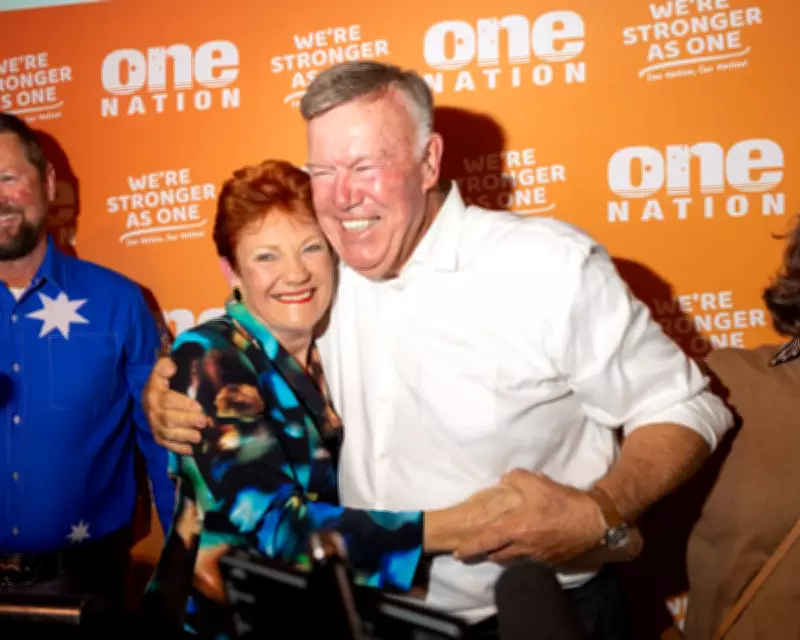
One Nation's victory in the Farrer by-election is the latest chapter in a long history of regional New South Wales voters using their ballots to challenge the dominance of major political parties. This trend predates the rise of community independents in urban areas, with rural electorates having previously elected figures like Peter Andren, Tony Windsor, Rob Oakeshott, and Andrew Gee.
A Stinging Rebuke for the Liberal Party
The solid win by One Nation's David Farley represents a significant humiliation for the Liberal Party, which secured just over 12% of the vote. This result underscores a remarkable loss of public confidence in a party that has dominated Australian politics for 75 years. While by-elections often serve as a referendum on the ruling party, this one delivered a harsh judgment on the opposition, though some traditional Labor voters also shifted to One Nation.
Uncertain Future for One Nation's New Member
History suggests that One Nation may struggle to retain its newly elected representative. It is plausible that Farley will end up on the crossbench before the next election in 2027, a common fate for One Nation members. Despite the support of a charismatic leader, Gina Rinehart's financial backing, and Barnaby Joyce's political experience, these factors may not be enough to ensure cohesion. Farley, a candidate of higher caliber than typical One Nation recruits, may prove less susceptible to the leader's influence, having previously sought preselection with other parties.
The grievances that propelled One Nation's success are deeply rooted and not easily addressed. Voters expressed frustration with economic and administrative structures developed over the past 30 years, calling for changes to the Murray-Darling Basin plan, increased investment in health, housing, and social infrastructure, and a restored sense of hope and optimism. These challenges require clear vision and determination, which are currently in short supply.
Lessons from One Nation's 1998 Queensland Success
The parallels with One Nation's short-lived success in Queensland in 1998 are instructive. The party won 11 seats but ended the term with only one independent member. Premier Peter Beattie's responsive leadership and an economic recovery that drove unemployment below 5% led to a landslide victory in 2001, effectively routing One Nation. This history suggests that addressing underlying economic and social issues can diminish the appeal of protest parties.
The Role of Independents in Australian Politics
Independents have long been a fixture in Australian politics. Since 1901, 24 independents were elected in the first half-century, and 37 sat on the crossbench after losing preselection or leaving their parties. The recent wave of independents began in 1990 with Ted Mack's victory in North Sydney. While commentators may view Farley's election as a seismic shift, it is part of a recurring pattern.
The Liberal Party faces immense challenges, but so does the government in genuinely addressing voter grievances. The gap between public discontent and political leadership continues to widen, underscoring the need for leaders who can project optimism and deliver tangible improvements.




