
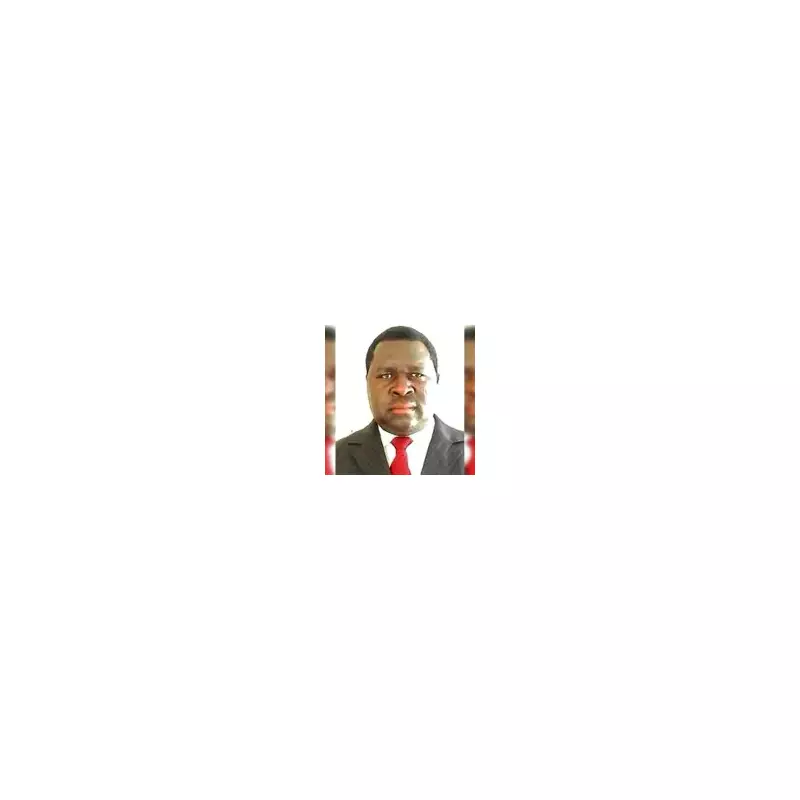
A Namibian politician bearing one of history's most notorious names is seeking re-election in regional council elections, despite the challenging legacy of his moniker.
Adolf Hitler Uunona, 59, is campaigning to retain his seat in the Ompundja constituency, representing the Swapo party in elections scheduled for November 26.
From Controversial Name to Political Success
Mr Uunona first entered politics in the 2020 local elections, where he achieved a remarkable victory that defied expectations given his controversial name.
The politician secured 1,196 votes, representing a resounding 85% of the total vote share, earning him a place on the regional council. This margin of victory, while impressive, remains smaller than the 98.8% vote share achieved by the German dictator in the rigged 1936 parliamentary election.
Early projections suggest Mr Uunona is likely to retain his seat in the upcoming election, continuing his political career in the southern African nation.
A Name Without the Legacy
In a stark contrast to his namesake, Adolf Hitler Uunona has established himself as a respected figure in his constituency, known particularly for his anti-apartheid campaigning.
Speaking to German newspaper Bild, the politician made clear his distance from Nazi ideology. "I have nothing to do with that ideology," he stated emphatically.
He explained that his father had named him after the Nazi leader, but likely "didn't understand what Adolf Hitler stood for" when making that decision.
Mr Uunona described how he viewed it as "a totally normal name" during his childhood, only later comprehending the full horror associated with the historical figure as he matured.
German Legacy in Namibian Culture
The presence of Germanic names in Namibia reflects the country's colonial history. Namibia was part of German South West Africa from 1884 to 1915, establishing a cultural connection that persists today.
After German control ended, the territory came under South African administration before finally gaining independence in 1990. Despite this transition, Namibia still features numerous German-named towns and maintains a small German-speaking community.
The upcoming election on November 26 will determine whether Mr Uunona continues to represent his constituency, demonstrating that a name, regardless of its historical weight, doesn't necessarily define a person's character or political career.




