
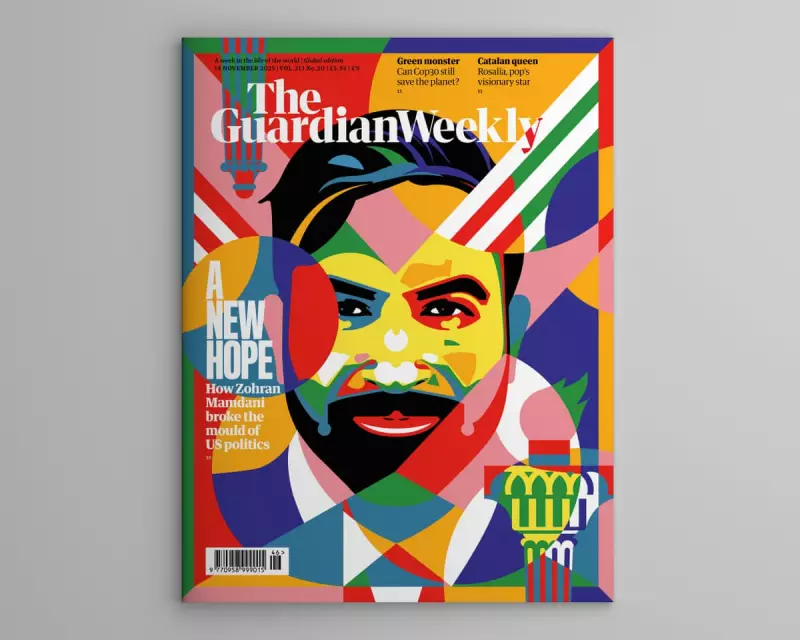
The political landscape of New York City has been fundamentally reshaped by the stunning electoral victory of democratic socialist Zohran Mamdani, whose against-the-odds win in the mayoral election continues to send shockwaves through American politics a week after the results were declared.
The Mamdani Victory: A Grassroots Triumph
Zohran Mamdani achieved what many political commentators considered impossible by soundly defeating his establishment-backed heavyweight opponent Andrew Cuomo. As detailed in this week's Guardian Weekly coverage, Mamdani's success stemmed from his ability to mobilise an army of grassroots volunteers and donors while forging deep connections with voters on the issues that mattered most to them.
The young Muslim mayor-elect focused his campaign squarely on affordability and economic justice, themes that resonated powerfully with New Yorkers feeling the pinch of rising living costs. His ground-up approach to political organising represents a significant departure from traditional Democratic party strategies and offers valuable lessons for the party as it reflects on a challenging year since Donald Trump's ascent to power.
Political Implications and Republican Response
The Mamdani victory has triggered contrasting reactions across the political spectrum. Some observers fear the democratic socialist's success could become a potent weapon for Republicans in the lead-up to the US midterm elections next November. Donald Trump has already labelled Mamdani a "100% communist lunatic", signalling the intensity of the attacks likely to come.
Meanwhile, Democrats see opportunity in Mamdani's compelling affordability message, believing it can be tailored to appeal to diverse voter groups across the country. The coming year will prove nerve-racking for political observers as they wait to see which assessment proves accurate, but Mamdani has unquestionably given American progressives renewed cause for optimism.
This Week's Essential Guardian Weekly Coverage
The 14 November edition of Guardian Weekly features several other crucial stories beyond the New York political upset. The spotlight falls on the Cop30 climate summit currently underway in Belém, Brazil, where Fiona Harvey reports from the Amazonian city on whether this annual gathering remains the forum needed to save the planet amidst bombast, strife and competing interests.
Other highlights include Michael Savage's examination of the extraordinary fall of the BBC's top bosses, tracing how a whirlwind that began with a report criticising the editing of a Donald Trump speech forms part of a wider political story. In Sierra Leone, Mara Kardas-Nelson discovers why not everyone was sad to see the end of USAID under Trump, finding that on the ground, the latest betrayal was not unexpected.
The edition also features compelling opinion pieces and cultural coverage, including Laura Snapes's interview with Rosalía, the Catalan queen of pop, who discusses her towering new album about female saints in 13 languages and explains why society needs forgiveness instead of cancel culture.
Further reading recommendations include Sarah Phillips's compendium of European traditions and Dominic Booth's story about Wythenshawe FC's remarkable veterans' Sunday league football team, which boasts former Premier League players including Emile Heskey, Papiss Cissé and Joleon Lescott.




