
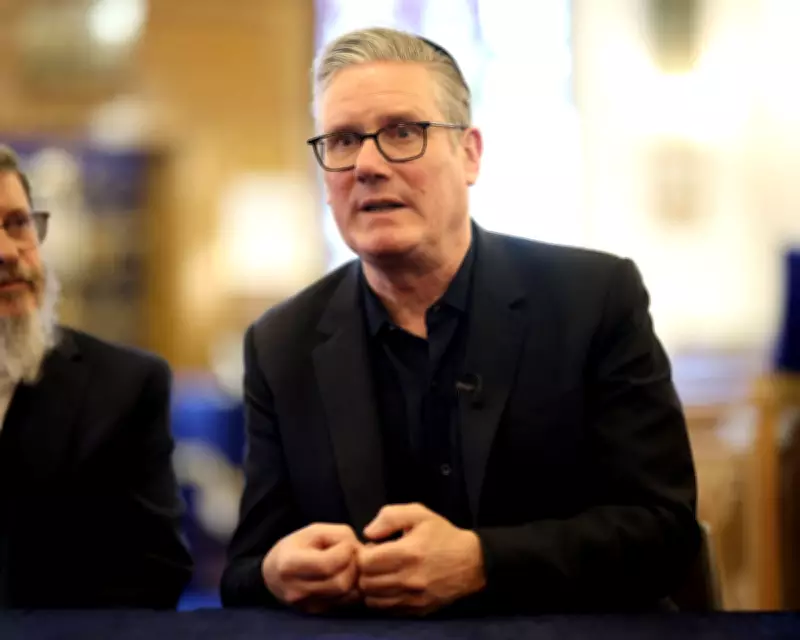
As the signs of an embattled premiership surround Keir Starmer—defensive interviews insisting he will remain in post, and stories of cabinet plotting—the prime minister needs real allies more than ever. And here, at least, there is something to feel positive about.
Starmer's Inner Circle in Government
Unlike some prime ministers whose parliamentary connections felt transactional, Starmer has genuine friends in his working life. His oldest friend in the cabinet is Richard Hermer, the attorney general, whom he met 30 years ago as a fellow lawyer. Hermer's advice on international law, particularly regarding the UK avoiding involvement in the Iran war, helped shape a widely praised policy.
Other trusted ministers include Nick Thomas-Symonds, the Cabinet Office minister, who helped chart the UK-EU relations reset, and Jenny Chapman, the international development minister and former Labour MP who chaired Starmer's leadership campaign.
Trusted but Not Necessarily Close
Ministers like Pat McFadden, the work and pension secretary, are highly trusted, often deployed for tough media appearances. Darren Jones, the Downing Street chief secretary, is valued for his loyalty and organizational zeal.
Pre-Politics Friends: A Key Support Network
Starmer maintains a large circle of non-political friends from school, university, law, and his five-a-side football team. According to those who know him, he relies on them even more closely than his political allies. One friend, Colin Peacock, whom Starmer rescued from bullies, joked to biographer Tom Baldwin that he would be there to say "told you so" when things go wrong.
The Paradox of Loyalty and Ruthlessness
However, Starmer has shed many trusted staffers since entering No 10, including strategist Morgan McSweeney and communications head Steph Driver, often without protecting them. This paradox—loyalty in personal life but ruthlessness in politics—may define how his remaining allies view him as the May elections approach.




