
Iraqi Prime Minister's Coalition Claims Election Victory
The political coalition led by Iraq's Prime Minister Mohammed Shia al Sudani has emerged victorious in the country's parliamentary elections, according to an official announcement from Baghdad's electoral commission. The incumbent leader, who has governed the Middle Eastern nation since 2022, was seeking a second term in power during the national poll held on Thursday, 13 November 2025.
Election Results and Voter Turnout
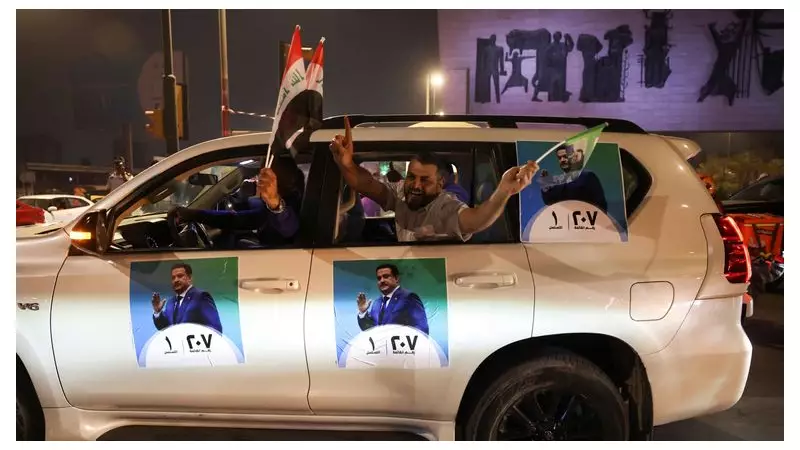
Mr al Sudani's coalition received 1.32 million votes in the closely watched election. The electoral commission reported a national turnout of 56.11% when announcing the preliminary results on Wednesday. Shortly after the declaration, supporters of the prime minister took to the streets of Baghdad to celebrate the outcome.
One enthusiastic supporter, Hamid Hemid, praised the victory, stating: "He is the number one in Iraq, and not only Baghdad." The prime minister himself addressed the nation in a televised speech following the results, describing the voter participation as "clear evidence of another success, reflected in the restoration of confidence in the political system."
The Road to Government Formation Remains Uncertain
Despite securing the highest number of votes, the election outcome doesn't guarantee Mr al Sudani will continue as prime minister. No single bloc of parties won enough seats to form the government independently, meaning complex coalition negotiations must now take place.
This political uncertainty reflects a pattern seen in previous Iraqi elections. After the 2021 elections, the party led by influential Shia cleric Muqtada al Sadr won the largest number of seats but ultimately withdrew from negotiations to form a new government.
During his campaign, Mr al Sudani positioned himself as a leader capable of bringing stability to Iraq after years of crisis. However, the election revealed significant divisions within Iraqi society, with many young voters viewing the process as a means for the country's elite to distribute the nation's oil wealth among themselves.
Regional Context and International Relations
Iraq has experienced substantial violence and has been heavily influenced by powerful Iran-backed militias since the US-led coalition invasion in 2003. Earlier this year, Mr al Sudani travelled to London to negotiate several economic and diplomatic agreements.
During his visit, he spoke with Sky News and addressed concerns about armed groups using Iraqi territory to attack Israel. "We're not embarrassed in any way," he stated, "we carry out our duties to enforce the law, to maintain security and stability in Iraq and reject all means of violence. We won't allow any side to dictate the decision between peace and war."
As Iraq awaits the final election results and the subsequent coalition negotiations, the international community watches closely to see how this strategically important nation will navigate its political future amid regional tensions and domestic challenges.




