
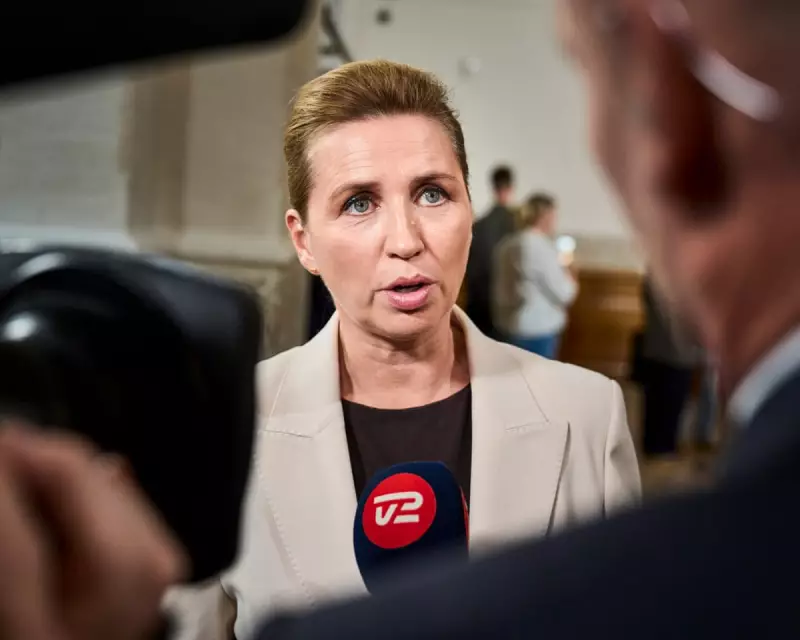
Denmark's long-ruling centre-left parties are poised to suffer a historic defeat in Copenhagen that would end their 113-year dominance over the capital city, according to recent polling data.
A Political Era Ending
The Social Democrats, who have governed Copenhagen continuously since 1912, now trail behind the Green Left party in voter surveys. Current projections indicate the Green Left could secure approximately 27% of the vote compared to just 21% for the Social Democrats in the upcoming municipal elections.
This dramatic shift represents what political analysts are calling the most significant political transformation in modern Danish history. The Social Democrats' potential loss of their traditional urban stronghold signals a fundamental realignment in Scandinavian politics.
The Rising Green Tide
The Green Left, led by Copenhagen's current mayor, Line Barfod, has capitalised on growing environmental concerns and urban development issues. Under Barfod's leadership, the party has successfully positioned itself as the progressive alternative to the traditional centre-left.
Barfod's administration has implemented several popular policies, including expanding cycling infrastructure and promoting green urban development. These initiatives have resonated strongly with Copenhagen's increasingly environmentally-conscious electorate.
Meanwhile, the Social Democrats, led by Lord Mayor of Copenhagen Charlotte Lautrup, have struggled to maintain their traditional voter base while facing challenges from both the left and right flank.
Broader Political Implications
The potential collapse of Social Democrat support in Copenhagen reflects wider trends affecting centre-left parties across Europe. Traditional working-class strongholds are increasingly fragmenting as voters gravitate toward parties with clearer environmental and social justice platforms.
This election outcome could have significant implications for national Danish politics, potentially weakening the Social Democrats' position in parliament and altering the country's political landscape for years to come.
The municipal elections, scheduled for November 2025, are now being watched closely by political observers across Europe as a potential bellwether for the future of centre-left politics in the region.
If the current polling trends hold, Copenhagen will witness the end of the longest continuous political reign in modern European urban politics, marking a definitive turning point in Danish political history.




