
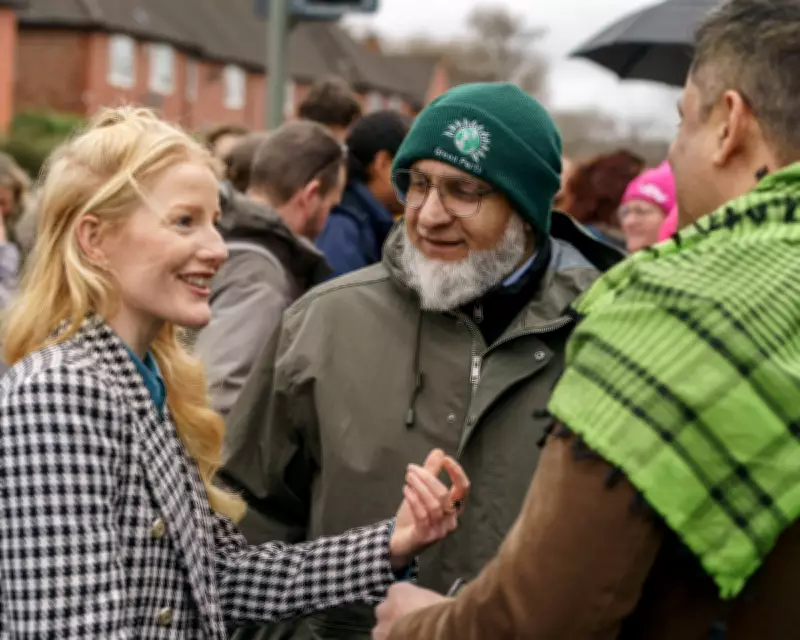
Imran Sanaullah of the Adam Foundation responds to Taj Ali's article, arguing that British Muslims are not disengaged from democracy nor do they vote as a single bloc. Polling for the Community Exchange Hub shows political engagement levels comparable to the wider population, with voters following campaigns closely and having direct contact with canvassers.
Key Issues for British Muslim Voters
The research indicates that British Muslims prioritize the NHS, the economy, and housing above all else—concerns that affect their daily lives, families, and futures. These are not niche or identity-driven motivations but bread-and-butter issues that have shaped working-class voting behavior for decades.
Increasing Political Participation
Through work at the Adam Foundation and Community Exchange Hub, increasing numbers of British Muslims are active within political parties of all hues, engaging from within the system. Before the last general election, six nationwide hustings were convened in Muslim-majority communities, bringing together MPs and candidates from across the political spectrum with local audiences, demonstrating demand for engagement and appetite for cross-party dialogue.
If the challenge is trust, the response is deeper participation. Initiatives that connect communities with policymakers, build leadership confidence, and create civic pathways—including structured leadership programs supporting future public servants—are already helping to turn political interest into meaningful influence. However, engagement alone is not enough; the task is to translate that engagement into turnout, as in a democracy, influence belongs to those who show up.




