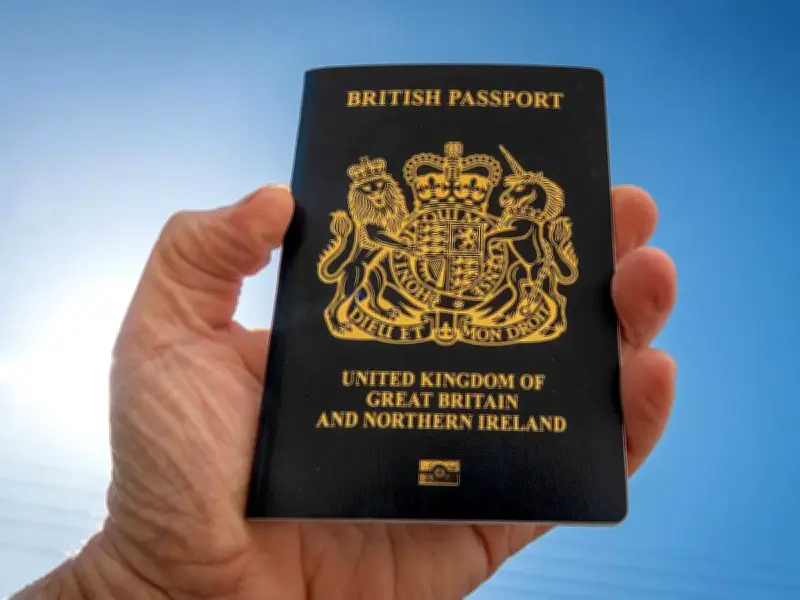
Martin Lewis is urging holidaymakers to follow a "two-check rule" for their passports before travelling this summer, warning that failing either check could result in being denied boarding or rejected at immigration, potentially costing thousands of pounds.
The two-check rule explained
During an appearance on ITV's This Morning, footage of which was posted to TikTok, Lewis clarified that having months left on your passport does not automatically guarantee travel permission. The first check involves confirming your passport has enough validity remaining. For EU destinations, passports typically require at least three months' validity upon arrival, but Lewis urged travellers to verify the specific entry requirements for their destination, as these vary between countries.
The lesser-known second check
The second check, Lewis revealed, is the one that trips up travellers most frequently. "Is your passport under 10 years old?" he said. "You could have more than six months left, but your passport could be 10 years old and you can get turned back." He explained that prior to 2018, when travellers renewed their passport early while time remained on their existing document, those surplus months could be transferred to the replacement. This meant some individuals ended up with passports valid for a decade plus several extra months. "You could now have a passport where you've got more than six months left on it, but it's over 10 years old. And they can turn you back for that," Lewis outlined.
Where to find the dates
Both crucial details are located within the passport document itself. The expiry date indicates when the passport becomes invalid, while the issue date shows how old it will be upon arrival at your destination. Holidaymakers are urged to verify both dates well ahead of departure, calculate their passport's age on arrival day, and confirm entry requirements for their destination country.
Expert advice
A spokesperson for travel specialists Lapland Famille commented: "Martin's two check rule is something every traveller should know before they book, not the night before they fly. The issue date is the one that catches people completely off guard because it simply does not occur to most people to check it." They continued: "Both dates are right there on the passport and taking 30 seconds to check them against the entry requirements for a destination could save a holiday from being cancelled before it even begins. If either date is close to the limit, renew early - it is a far easier problem to solve at home than at the departure gate."