
The Making of a Political Masterpiece
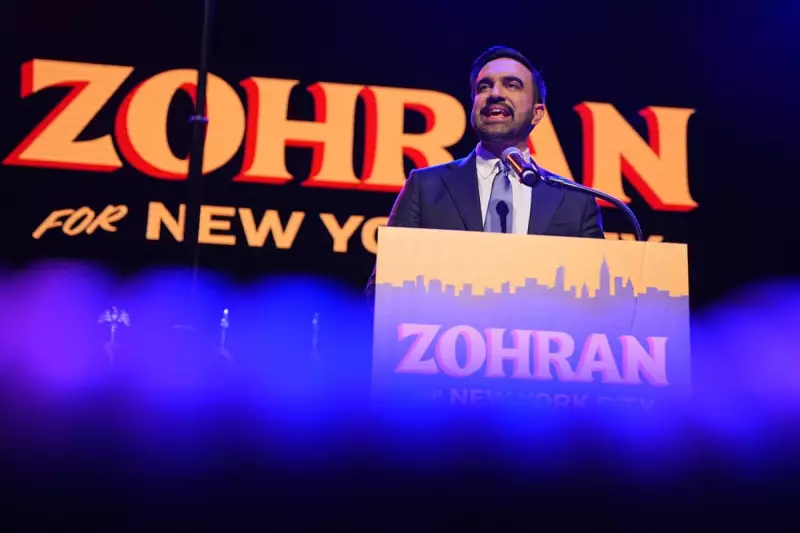
When Zohran Mamdani secured his victory in the New York mayoral election on 4 November 2025, he delivered an address that immediately captured political and public attention. The speech, described by its writer as a "love letter to New York", blended socialist ideology with the city's multicultural spirit, creating what many are calling one of the most memorable victory speeches in recent political history.
Collaborative Craftsmanship
The man behind the words, Julian Gerson, began working on the draft a full week before election day. As the 29-year-old speechwriter for the Mamdani campaign, Gerson typifies the young, leftwing talent driving this insurgent political operation. He collaborated closely with Mamdani and campaign consultant Morris Katz to establish overarching themes before locking himself in his Brooklyn apartment to produce the initial draft.
Mamdani provided crucial guidance, telling Gerson to think of speechwriting as "more than just the written word" – an indication that the 34-year-old Muslim and Indian Ugandan state assemblyman was already considering the historical significance of his potential victory. The collaboration proved remarkably aligned, with Gerson recalling that when he suggested quoting socialist titan Eugene Debs, Mamdani responded that he was already on the list.
Drawing from Diverse Inspirations
The final speech proved to be a rich tapestry of political and cultural references. It included shoutouts to New York's "Senegalese taxi drivers and Uzbek nurses", tributes to Jawaharlal Nehru and Fiorello La Guardia, sprinkles of Arabic, and was delivered with what observers described as the cadence and command of a hip-hop emcee.
Gerson found the opening Debs quote – "I can see the dawn of a better day for humanity" – in William Safire's speech compendium Lend Me Your Ears: Great Speeches in History. The quote originally came from a speech Debs made when he was sentenced to prison in 1918 for denouncing US involvement in the First World War.
The speechwriter also drew inspiration from Barack Obama's 2008 presidential victory address, which he studied in depth before writing. Gerson consulted with some of Obama's former speechwriters for advice, benefiting from their experience in crafting historically significant political oratory.
New York's Cultural Pulse
Mamdani's background as a former rap artist performing under the name Mr Cardamom significantly influenced the speech's delivery and style. Unlike other Democratic politicians who emulate Obama's pentecostal intonations, Mamdani embraces the language and swagger of hip-hop culture. His sharp dismissal of rival Andrew Cuomo – wishing him "only the best in private life" while quoting his father Mario without attribution – played like a mic-drop moment straight from a New York rap cypher.
The campaign's connection to music extended beyond Mamdani's personal history. For a May rally speech assailing Donald Trump's agenda, Gerson drew inspiration from Chilean American electronic musician Nicolas Jaar's band Darkside, incorporating Spanish lyrics to set the tone.
Ground-Level Engagement
As politics director for the Mamdani campaign since March, Gerson worked to deepen the candidate's relationship with diverse constituencies across New York City. This ground-level engagement provided steady fodder for speeches that directly reflected the communities Mamdani was courting.
One particularly meaningful inclusion came from Mamdani's Astoria neighbourhood, where one of the local "uncles" suggested the Arabic phrase "ana minkum wa ilaykum" (translating to "I am of you and for you") during filming for the campaign's Until It's Done web series. The phrase made it into the final draft, embodying the campaign's commitment to community-sourced inspiration.
Facing Criticism and Looking Forward
Not all reactions to the speech were positive. CNN pundit Van Jones described it as "sharp" and combative, suggesting Mamdani missed an opportunity to "bring more people into the tent." Gerson remains unapologetic, pointing to the speech's concluding section where Mamdani addressed all New Yorkers regardless of how they voted.
The speechwriting process reflected a partnership where Mamdani actively engaged with the material to make it his own. Gerson noted the significant difference when a skilled performer delivers written words, observing Mamdani's innate talent for "knowing when to pause, knowing which syllables to emphasize."
As Gerson succinctly put it: "When you're looking for inspiration, you have to look everywhere. Fortunately, we live in New York, inspiration is everywhere, and people are loud and eager to share it." This philosophy shaped not only a historic victory speech but potentially the tone of a new political era in New York City.




