
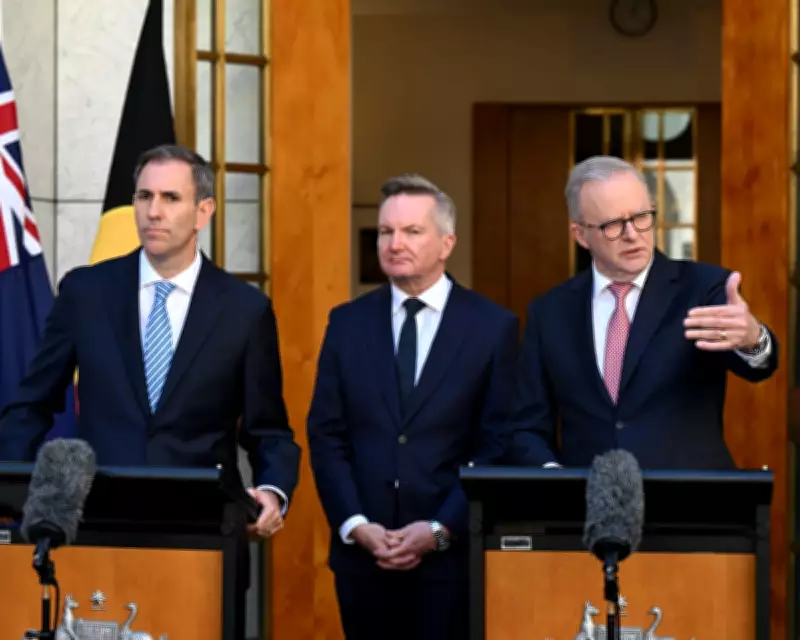
The day of the baby boomers is finally done in Australian politics, as Labor prepares a budget centered on intergenerational equity. Treasurer Jim Chalmers will make this a major thread woven through his 12 May budget, acknowledging resentment from younger people who see themselves paying for their elders while struggling to afford housing.
Health Subsidy Scrapped
Health Minister Mark Butler announced the government would scrap the top-up private health insurance subsidy for those over 65, introduced by John Howard. Butler framed the decision in generational equity terms, stating that two households on the same income should not receive different government support based solely on age. The removal of this income-tested benefit will save the government $3 billion over the forward estimates, with funds redirected to aged care, including fully covering showering costs for those on home care packages.
Housing Affordability and Tax Reforms
Housing unaffordability remains a hot issue. The capital gains discount is expected to be reduced, and negative gearing likely altered. Additional sweeteners in tax or housing may emerge, viewed through an intergenerational equity lens. The government is under pressure not to splurge, with the Reserve Bank watching closely, but NDIS reforms provide fiscal room.
NDIS Overhaul
The estimated savings from the NDIS overhaul are huge: $22 billion over four years. The government aims to curb unsustainable expenditure growth, but achieving these savings will be challenging. The states may resist, and details remain unresolved. The NDIS cost growth rate will be capped at 2% annually, a significant real-terms cut. Much of the pain will be delayed past the budget, allowing Chalmers to focus on positive announcements.
Gas Tax Debate
The budget context is dominated by the Middle East conflict and fuel supply concerns. A campaign for a new tax on gas exports has gained community support, with companies benefiting from higher prices. Former Treasury head Ken Henry argued for a windfall gains tax, proposing proceeds be invested in a sovereign wealth fund for future generations to address intergenerational inequity. However, Prime Minister Anthony Albanese has signaled reluctance, citing the need to honor contracts and maintain Australia's reputation as a dependable LNG supplier. Resources Minister Madeleine King is cautious, and Western Australian Premier Roger Cook opposes a new tax, influencing Albanese.
Japanese Prime Minister Sanae Takaichi will visit Australia in early May, likely seeking reassurance that no new gas tax will be imposed. The government faces competing pressures, balancing intergenerational equity with investment and international relations.




