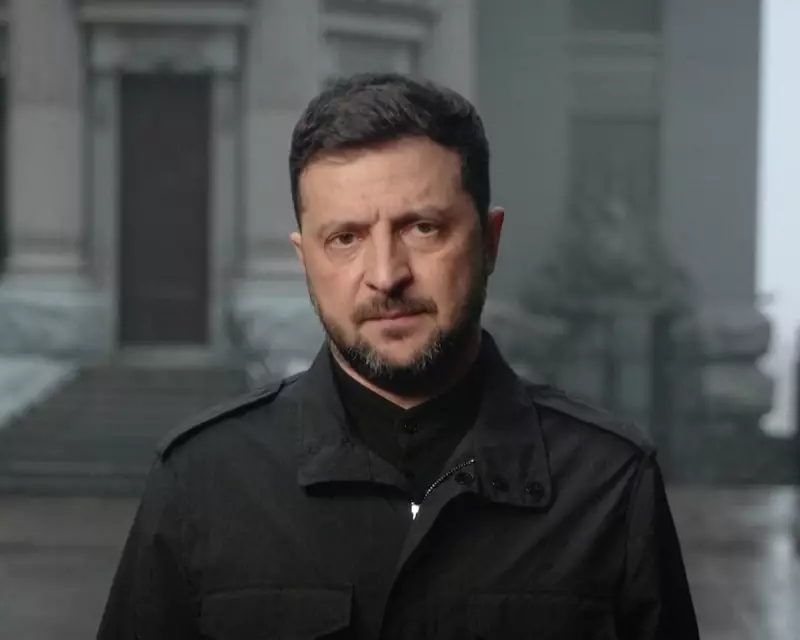
Ukrainian President Volodymyr Zelenskyy could meet with former US President Donald Trump at the White House later this week to discuss a substantially revised American peace plan for Ukraine, according to sources familiar with the negotiations.
Peace Plan Revisions and Key Changes
The original 28-point US-Russian proposal, drafted last month by Vladimir Putin's special envoy Kirill Dmitriev and Trump's representative Steve Witkoff, has been significantly amended during talks in Switzerland on Sunday. The revised document now contains only 19 points after Ukrainian and European negotiators successfully pushed for the removal of several of Russia's most demanding conditions.
The initial proposal had called for Ukraine to withdraw from cities it currently controls in the eastern Donbas region, limit the size of its military forces, and abandon its ambitions to join NATO. These contentious elements have been substantially modified in the latest version, though specific details of the current provisions remain undisclosed.
Sunday's negotiations were led by US Secretary of State Marco Rubio and Zelenskyy's chief of staff Andriy Yermak, with both sides describing the discussions as productive. Following the talks, Rubio characterised them as "very very positive" while Trump expressed cautious optimism on his Truth Social platform.
European Involvement and Diplomatic Moves
Ukraine is actively pressing for European countries to play a significant role in the peace process, a position that has gained traction following initial concerns about being sidelined. The original plan's leak to US media last week caught both the UK and EU by surprise, prompting European governments to publish their own counter-proposals over the weekend emphasising the importance of respecting Ukraine's sovereignty.
European leaders have consistently maintained that any territorial discussions must use the existing frontline as the starting point and that there can be no recognition of land seized by Russia through military force. They also insist that Kyiv must retain the sovereign right to make its own decisions regarding potential membership in both the European Union and NATO, without external veto power from Moscow.
In a significant diplomatic development, Zelenskyy spoke directly with US Vice-President JD Vance on Monday, urging American officials to involve European nations more substantially in the negotiation process. Vance reportedly agreed to this approach, marking a potential shift in the US position.
Military Developments and Political Context
The peace talks unfold against a backdrop of renewed military aggression and political challenges for Ukraine. The country's second-largest city, Kharkiv, suffered a massive drone attack on Sunday that killed four people, with emergency responders describing tragic scenes of family members killed in the assault.
Meanwhile, Russian air defences intercepted Ukrainian drones heading toward Moscow, forcing three airports serving the capital to temporarily suspend flights. In a rare reversal of typical targeting patterns, a reported Ukrainian drone strike knocked out power for thousands of residents near Moscow, echoing the regular energy infrastructure attacks that leave millions of Ukrainians without electricity.
Zelenskyy faces one of his most vulnerable periods since the war began, grappling with a corruption scandal that led to the dismissal of two ministers and confronting renewed Russian battlefield advances. The Ukrainian delegation briefed Zelenskyy on the revised peace plan Monday after returning from Geneva, describing the latest version as more realistic than the original proposal.
International Reactions and Next Steps
Trump's public comments reflected a notable shift in tone from his previous criticism of Ukraine's leadership, which had included accusations of "zero gratitude" for American support. His latest statement suggested potential progress while maintaining appropriate caution, writing: "Is it really possible that big progress is being made in Peace Talks between Russia and Ukraine??? Don't believe it until you see it, but something good just may be happening."
The potential Zelenskyy-Trump meeting this week would represent a significant diplomatic engagement amid the flurry of communications between Kyiv and Washington. European governments continue to emphasise that no comprehensive agreement can be reached quickly, advocating for a measured approach that properly addresses Ukraine's sovereignty and territorial integrity.
The ongoing negotiations highlight the complex international dynamics surrounding the conflict, with multiple stakeholders jockeying for influence over the eventual peace settlement. As the process continues, all parties appear to be positioning themselves for what could become the most substantial diplomatic movement since the conflict began.