Reports of a new peace plan for Ukraine, formulated without input from Kyiv or European allies, have sent shockwaves through diplomatic circles. The proposal, which has reportedly received approval from US President Donald Trump, is being viewed with deep concern for its potential to force significant concessions from Ukraine.
The Kremlin's Demands Repackaged
According to detailed accounts, the so-called 'new' 28-point peace plan contains provisions that are anything but novel. The proposals are said to include two major concessions from Ukraine: ceding territory in the Donbas region that Russia has not yet seized and dramatically reducing the size of its armed forces.
These terms are not new; they represent the long-held, key demands of Russian President Vladimir Putin. For Ukraine, these points are non-negotiable red lines, making the plan a potential non-starter for President Volodymyr Zelenskyy's government.
A Diplomatic About-Face
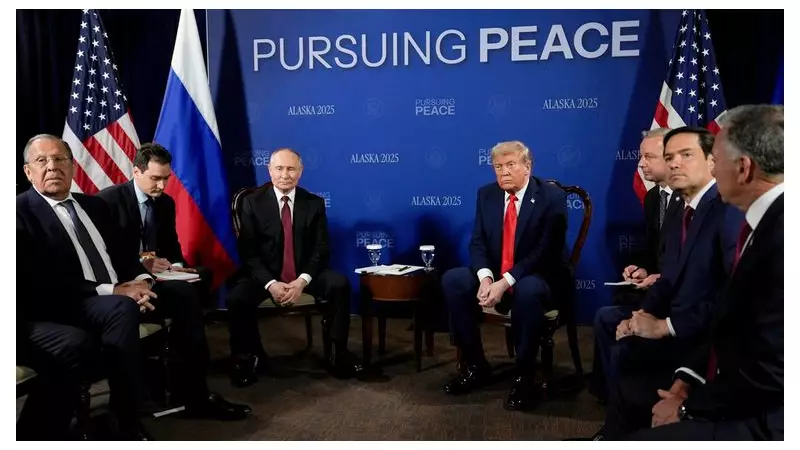
This development marks the latest shift in the Trump administration's strategy towards the conflict. The current situation follows the failure of the Alaska summit between Trump and Putin in August 2025 and a subsequent fractious phone call between Russian Foreign Minister Sergei Lavrov and US Secretary of State Marco Rubio.
That call led to the cancellation of a second planned summit in Budapest and the imposition of US sanctions on Russian oil. In the aftermath, it appeared that Ukraine had successfully persuaded the US to change its approach, applying pressure on Moscow to force Russian concessions and seek a middle ground.
Now, the diplomatic landscape has shifted once again. The key figure in this turnaround appears to be Kirill Dmitriev, a Kremlin investment envoy and close Putin ally. Dmitriev has acted as the Russian counterpart to US special envoy Steve Witkoff in peace negotiations.
The Miami Mediation
Following the Lavrov-Rubio breakdown, Dmitriev was dispatched to Miami to mend relations through Witkoff. He appears to have succeeded beyond mere reconciliation. The 28-point peace plan that has emerged from their discussions, and which Trump has now signed off on, seems to heavily favour the Kremlin's position.
For President Zelenskyy, the situation presents a grave dilemma. While the reported terms are unacceptable to Ukraine, failure to engage with the plan could provoke a damaging ultimatum from Trump. The potential threat is clear: accept this proposal or face going it alone without US support.
The stakes could not be higher for Ukraine's future, as it navigates the precarious path between national sovereignty and the demands of a powerful ally.